How to Print Pet Photos Like a Pro: Tips From an Award-Winning Pet Photographer
 by Michael Turner
 7 Minutes
The best way to print pet photos starts before you ever upload a file. It starts with choosing the right image, preparing it for the format you've picked, and understanding what makes a photo look stunning on canvas versus on a screen. Most pet owners skip these steps entirely, and the results show.
National Pet Day falls on April 11 this year. If you've been meaning to do something with the hundreds of pet photos on your phone, this is a good reason to start. But this isn't just an article about why you should print your pet's photo. It's a step-by-step guide on how to do it well, with expert advice from someone who does this for a living.
We collaborated with Alicia Rius, an award-winning pet photographer whose commercial clients include Apple, Adobe, Purina, and Martha Stewart, and asked her to walk us through exactly how she prints pet photos professionally. Her work has been exhibited in more than 45 galleries across Europe and the United States, and she's received an International Photography Award (IPA) for her animal portraits.
For this project, Alicia chose to print photos on canvas and on fabric, specifically, a custom canvas print and a custom photo blanket of Riff's portraits, both ordered through CANVASDISCOUNT. These products are produced in the United States at CANVASDISCOUNT's facilities in Columbus, Ohio. What she shared is a process that any pet owner can follow, no professional camera or editing software required.
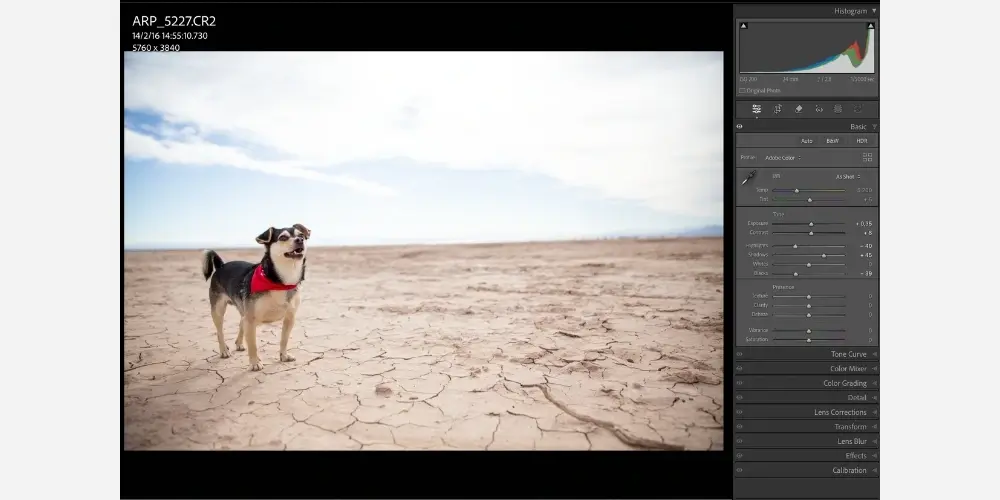
You can read Alicia's full, in-depth review, including behind-the-scenes details of her Lightroom editing process and detailed product photos, on her blog.
At a Glance: Award-winning pet photographer Alicia Rius shares her professional process for printing pet photos - from choosing the right image to preparing it for canvas and custom photo blankets. Whether you're using a smartphone or a professional camera, these expert tips will help you get a print that looks as good on the wall as it does on your screen. All CANVASDISCOUNT products are produced in the USA with free shipping.
In this article, you'll discover:
-
What makes a pet photo print-ready, according to a professional photographer?
-
How do you choose the right photo for a canvas print vs. a photo blanket?
-
What's the step-by-step process for preparing a pet photo for print?
-
How did a professional photographer rate CANVASDISCOUNT's print quality?
-
Which print format works best for different types of pet photos?
Quick Tips for Better Pet Photo Prints
If you're short on time, here are the essentials a professional photographer checks before printing any pet photo:
-
Resolution: Upload at full resolution, at least 300 DPI, at your target print size for sharp detail. Most modern smartphones shoot at 12–48 megapixels, which is more than enough for a high-quality canvas print up to 20×30 inches or larger.
-
Focus: Make sure your pet's eyes are in sharp focus. The eyes are the emotional anchor of any pet portrait. Zoom in on your phone to check before selecting a photo for print.
-
Lighting: Use bright, natural light. Never use flash on animals, it causes red-eye, strange color shifts, and often startles pets.
-
Angle: Photograph at your pet's eye level, not from above. Getting down to their level creates a more engaging, personal portrait.
-
Color: Check that colors look natural before uploading. Subtle color shifts that seem invisible on screen can become noticeable once printed.
-
Format: Choose custom canvas prints for wall display, a photo blanket for comfort, acrylic prints for a sleek, modern finish, or photo tiles for a flexible, rearrangeable gallery.
Why Your Best Pet Photos Deserve More Than a Phone Screen
Pets age faster than we expect. One day, you're taking photos of a puppy tearing through the yard; the next, you're noticing the gray around their muzzle. The photos you take today are the ones you'll want to see every day, five or ten years from now, and a printed photo on the wall does that in a way a camera roll never will.
Alicia put it simply. With Riff at 14, she wanted to create something that goes beyond a photo sitting in a digital gallery. She wanted something with physical presence, something tangible that turns a portrait into a lasting piece of memory. As she wrote in her review: "We spend so much time creating images for others. Your own memories deserve the same care."
Technology isn't the barrier. Modern smartphone cameras easily exceed 300 DPI at standard print sizes, which means the photos already on your phone are likely ready for a high-quality pet portrait on canvas. Most people just never take the next step.
When you print photos on canvas, you're giving an image a physical life it can't have on a screen. Custom canvas prints turn a favorite moment into something you see every time you walk into the room, not something you have to scroll to find.
How to Choose the Right Pet Photo for Printing
Not every photo that looks great on a phone screen translates well to a physical product. A picture that works perfectly as an Instagram post can fall apart when enlarged to 20×30 inches on a canvas or stretched across a 40×60-inch blanket.
Alicia recommends reversing the process most people follow. Instead of picking a photo first and then figuring out what to do with it, choose the product first. That way, you can look through your photos with a specific format in mind and select the image that best fits it.
When evaluating photos for print, she looks at three things:
- Subject isolation. Your pet should be the clear focus of the image. Photos where your dog or cat is the main character, without other people, busy backgrounds, or competing elements, tend to translate best into printed products, especially at larger sizes.
- Composition. The image needs to feel balanced and engaging at the size you're printing. For a canvas that will hang on a wall, the environment in the photo should enhance the subject rather than compete with it. For a blanket, you want an image that still looks visually balanced when spread across a large surface.
- Sharp eyes. This is non-negotiable. In pet photography, the eyes are the emotional anchor of the portrait. Alicia zooms in to check every time: if the eyes aren't perfectly in focus, the image gets eliminated, no matter how good it looks briefly. No amount of editing can fix truly soft focus.
A practical tip for phone users: Before committing to a photo, pinch to zoom into your pet's eyes on your phone screen. If they look blurry or soft at full zoom, pick a different shot. This one simple check will dramatically improve your results.
Preparing Your Photo for Print: What Most People Skip
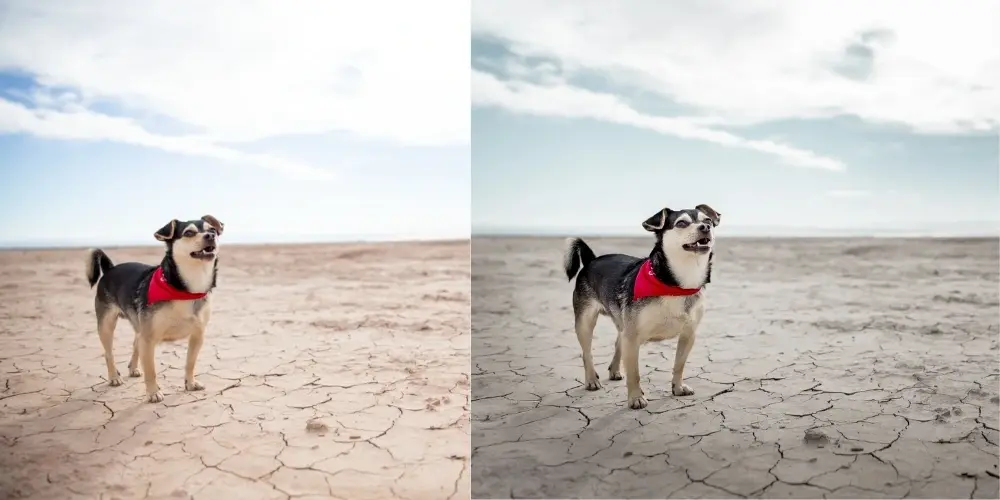
Editing for print is fundamentally different from editing for social media. What looks punchy and vibrant on a phone screen can look overprocessed or color-shifted once it's printed on canvas or fabric. The goal for print is balance, not impact.
Here's what Alicia does before sending any file to print:
She starts with the basics: adjusting brightness, contrast, highlights, and shadows to ensure the image has a good tonal range. Then she moves into color work, checking that the overall balance looks natural and consistent. Subtle color shifts that seem invisible on screen can become noticeable in a physical product, so she pays close attention here.
After that, she zooms into the eyes one final time for a sharpness check. Even if the photo passes the selection stage, she always does a second review before exporting. She also checks noise levels. A bit of grain can look fine on screen but become distracting when enlarged for a canvas print, especially at sizes above 16×20 inches.
Finally, she crops with intention, leaving room for the canvas edges where the image wraps around the frame. She also applies lens corrections and straightens the horizon if needed. Small alignment issues that look minor on screen tend to stand out once printed.
Alicia's three essentials for a print-ready pet photo: sharp focus (especially on the eyes), balanced and natural colors, and strong composition. When these three elements come together, the chances of getting a high-quality pet portrait print increase dramatically. These are the same fundamentals whether you're preparing a file in Lightroom or making quick adjustments on your phone.
The good news for non-professionals: you don't need Lightroom or Photoshop to do this. Most of these adjustments can be made with your phone's built-in photo editor. Bump the brightness slightly, make sure colors look natural, crop intentionally, and always upload at full resolution, ideally as a high-quality JPEG at the original file size. The key is spending two deliberate minutes on the image before uploading. That's the difference between a print that looks "fine" and one that looks great.
One more detail: CANVASDISCOUNT's upload system automatically analyzes your image resolution and shows only the print sizes your file can support at high quality. So, if you upload at full resolution, the site does the DPI math for you.
Choosing the Right Print Format for Your Pet Photo
Canvas prints are best for wall display as focal-point art; custom photo blankets are best for personal, tactile comfort. But those aren't the only options. Here's how the main formats compare for pet photos:
Canvas prints give the image a textured, gallery-style finish that elevates a photograph into something closer to a piece of art. Alicia describes a canvas as a focal point; it hangs on a wall, becomes part of the room, and is experienced from a distance. For that reason, the image needs visual presence and a sense of drama. She recommends choosing a timeless image rather than something seasonal, since a canvas is likely to stay on that wall for years. Whether it's a dog canvas print of your retriever at the beach or a portrait of your cat in afternoon light, CANVASDISCOUNT custom canvas prints are stretched on real spruce wood frames and printed with HP latex inks rated to last 75+ years.
Custom photo blankets are more intimate. A personalized dog blanket lives on a sofa or a bed, and the experience is tactile as much as visual. There's more flexibility with image selection here; the photo doesn't need the same dramatic presence because the blanket is experienced up close, not from across the room. Alicia found the detail in the fur translated surprisingly well onto fabric, with color-matched stitching that showed genuine attention to detail.
Acrylic prints offer a sleek, modern finish with enhanced depth and vivid color. The glossy surface makes colors pop, making this format well-suited to high-resolution pet photos with strong contrast. It's a premium option for contemporary interiors.
MIXPIX® photo tiles are lightweight, magnetic, and rearrangeable, ideal for pet owners who want a growing gallery wall that keeps up with their camera roll. MIXPIX lets you add, swap, and rearrange photos without damaging the wall, so your display evolves as your collection does.
AI pet portraits are a creative alternative for pet owners who want something stylized rather than photographic. CANVASDISCOUNT's AI Pet Portrait Generator can transform a standard pet photo into an illustrated or painted-style portrait. Alicia sees these as a complementary option, fun and playful, but not a replacement for the emotional depth of a real photograph.
One detail worth considering, regardless of format: where will the product live? Room colors, lighting, and surrounding décor all affect how a printed image looks and feels in a real space. Alicia thinks about this before she orders, whether the photo's color palette will blend with the room's atmosphere or create a deliberate contrast.
What a Professional Photographer Found When the Prints Arrived
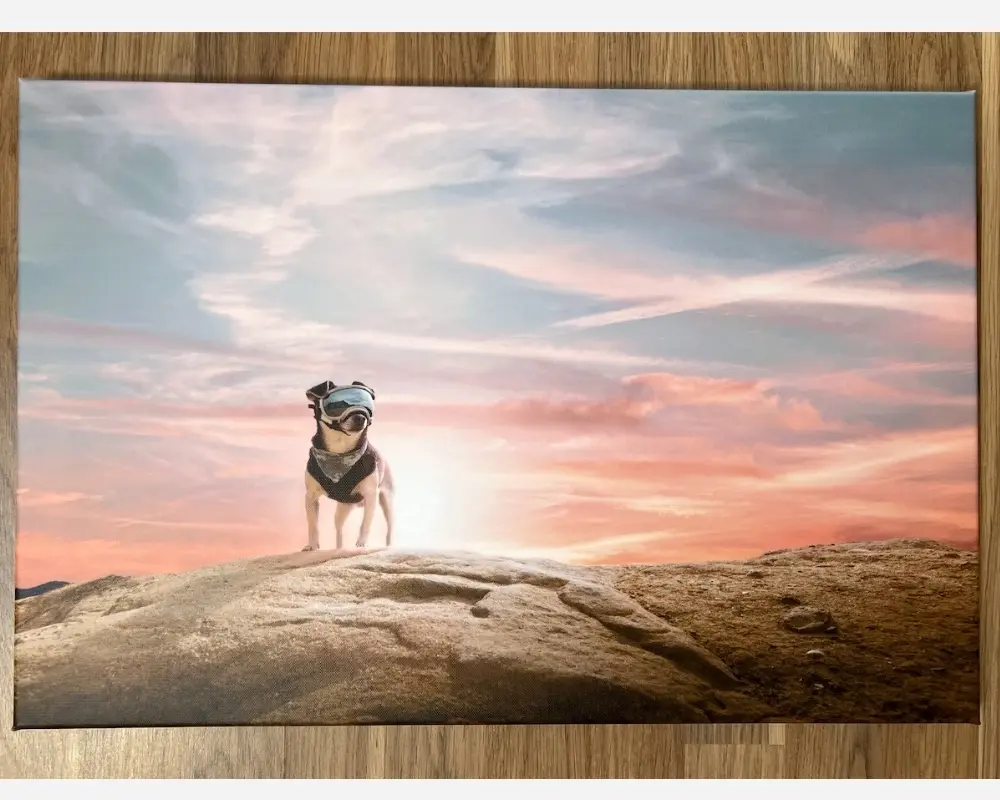
Alicia ordered a 20×30-inch canvas print and a 40×60-inch fleece blanket of Riff's portraits through CANVASDISCOUNT. Both arrived in separate deliveries with secure packaging. Here's what she found.
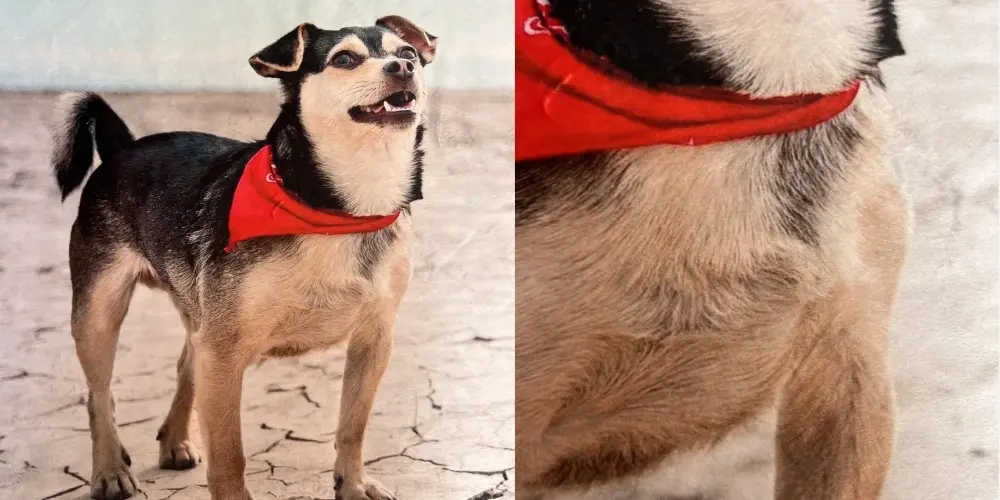
The blanket exceeded her expectations for the price point. She expected something thinner or more basic. Instead, the material was thick and high quality, with excellent stitching, and the stitching actually shifts tone to match the colors of the printed image on each side, which she noted as a sign of real attention to detail. Visually, the print captured a genuine sense of depth, especially in the fur. She described the overall result as warm, personal, and meaningful, the kind of product that makes you feel like your pet is still there with you.
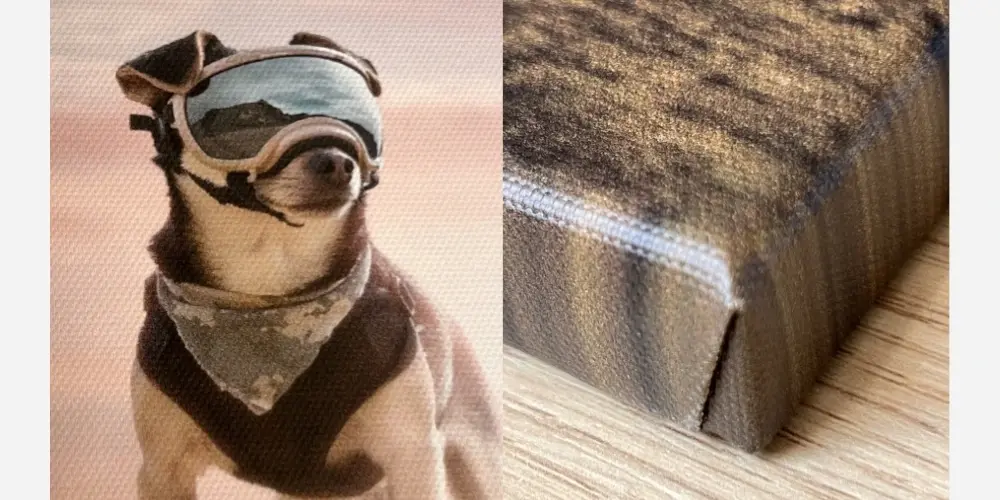
The canvas had a classic texture that gives an image an artistic quality without losing fine detail. Sharpness in the eyes and fur, her personal benchmark for any pet portrait print, was excellent. The build quality was solid, with a proper wooden frame that she described as well-made and carefully assembled. Her overall impression: it felt like a genuine piece of art, not just a printed photo.
On color accuracy: the final products matched her edited file without unexpected shifts. Colors came through consistently, balanced, and true to her intentions, which, for someone who works with calibrated monitors professionally, is the most meaningful test of print quality.
Your Pet Photo Printing Checklist
Whether you're printing for National Pet Day or any other day, here's a quick summary of the process:
-
Pick the product first. Canvas for wall display, blanket for comfort, acrylic for a modern look, MIXPIX for a flexible and growing gallery.
-
Choose a photo with sharp eyes and a clean composition. Zoom in to check focus before committing. Make sure your pet is the clear subject.
-
Edit for print, not for social media. Adjust brightness, check that colors look natural, and crop with intention. Even two minutes of editing makes a noticeable difference.
-
Upload at full resolution. Don't downsize your file. Aim for at least 300 DPI at your target print size. The CANVASDISCOUNT system automatically checks your image and recommends sizes that match your file quality.
-
Think about where the print will live. Room colors, wall space, and viewing distance should all be factors in your size and format choice.
CANVASDISCOUNT canvas prints start at just $5. Most orders ship within 24 hours from production facilities in Columbus, Ohio. Everything is made in the USA.
Don't Wait
Alicia has photographed hundreds of pets professionally throughout her career. But she waited until Riff was 14 to print his portraits. Her advice to every pet owner: don't make the same mistake.
As she put it, we often think about printing photos of the people we love. But our pets are part of that story too. And they deserve to be remembered just as beautifully.
This National Pet Day, pick the photo. Order the print. Give your favorite image a life beyond the screen.
Frequently Asked Questions
-
For a sharp, high-quality canvas print, aim for at least 300 DPI (dots per inch) at your target print size. Most modern smartphones shoot at 12–48 megapixels, which typically exceeds 300 DPI for standard canvas sizes up to 20×30 inches or larger. Upload at the full resolution your phone or camera captured, don't downsize the file. CANVASDISCOUNT's system automatically analyzes your image and shows only the sizes your file can support at high quality, so you don't need to calculate anything yourself.
-
Use natural light whenever possible; never use flash, which causes red-eye and strange color shifts in animals. Get down to your pet's eye level rather than shooting from above. Shoot in burst mode to capture multiple frames, then pick the sharpest one. Hold a treat or favorite toy just above the camera lens to direct their attention. Before printing, always zoom in on the eyes on your phone to confirm they're in focus. This is the single most important quality check for any pet portrait.
-
It depends on the wall space and how far away you'll view it. Sizes like 16×20 inches and 20×30 inches are the most popular choices for pet portraits. For a focal-point piece above a sofa or in a hallway, go larger. For a grouped display or a smaller room, 8×10 or 12×16 inches work well. Alicia recommends keeping a measuring tape handy when ordering so you can compare the canvas dimensions to the actual wall space before confirming.
-
Canvas prints are best for wall display as focal-point art; photo blankets are best for personal, tactile comfort. They serve different purposes. A canvas print works as wall art, a visual focal point with a textured, gallery-style finish, experienced from a distance. A custom photo blanket is intimate and tactile, designed to be used on a sofa or bed. The choice comes down to how you want to experience the image: as art on the wall, or as comfort up close. Many pet owners order both.
-
CANVASDISCOUNT offers several formats for printing pet photos in the USA: canvas prints for a textured, gallery-style wall display; custom photo blankets for a personal, cozy keepsake; acrylic prints for a sleek, modern finish with vivid color; MIXPIX photo tiles for a flexible, rearrangeable gallery wall; and AI-generated pet portraits for a stylized artistic interpretation. All products are produced in the United States.
-
Saturday, April 11, 2026. National Pet Day was founded in 2006 by animal welfare advocate Colleen Paige to celebrate the bond between people and their pets while raising awareness about adoption.
-
CANVASDISCOUNT prints use HP latex inks that are rated to last 75 years or more before colors begin to fade. The canvas is stretched on a real spruce wood frame, and no lamination or glass is needed; the matte finish is naturally resistant to glare. All production takes place in CANVASDISCOUNT's US facilities in Columbus, Ohio.
-
Most canvas prints are ready to ship within 24 hours of production. Delivery typically takes 2–5 business days within the contiguous United States.