How to Clean Acrylic: The Essentials
 by Maria Johnson
 3 Minutes
Our new guide explains how to clean acrylic wall art. Learn expert techniques for restoring and protecting the shine of your print, preserving its brilliance for years to come!
Acrylic glass is as durable as it is versatile, and you can maintain its luster and crystal clarity with just a basic level of care. But if you have acrylic wall art displayed in your home, you might be wondering exactly what that care involves. Are any particular techniques or special detergents necessary?
You can put your mind at rest, because we’ve put together a detailed guide on how to clean acrylic prints efficiently and safely.
Tools Required for Cleaning Acrylic
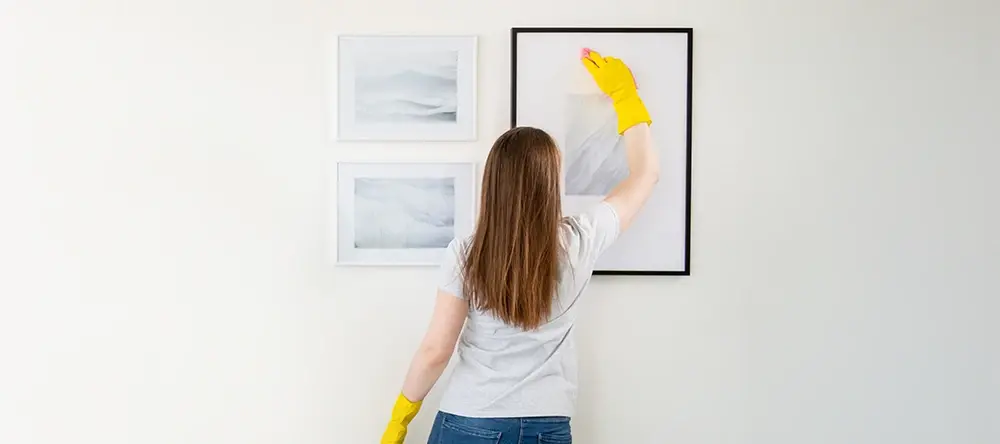
To clean your acrylic print properly, you’ll need:
- Feather duster (optional)
- Microfiber cloths
- Cleaning solution (glass cleaner or dish soap mixed with lukewarm water)
- Lukewarm water (optional)
- Soft cotton gloves (optional)
Note: It’s important to avoid abrasive cleaners and tools, as they can damage the surface of your print. Acrylic might be stronger than regular glass, but it can still get scratched or tarnished. We strongly discourage the use of cleaners containing ammonia or alcohol.
How to Clean Acrylic in 5 Steps

Once you have the necessary equipment, you can start the cleaning process:
Remove Dust and Debris: Using a dry microfiber cloth or a feather duster, gently brush away any dust or loose particles from the surface of your acrylic print. This will remove any potentially abrasive matter before you begin the cleaning process.
Apply Cleaning Solution: Dampen a microfiber cloth with the cleaning solution. (If you’re using the same cloth you used in the previous step, be sure to clean it thoroughly before applying the solution.)
Clean the Surface: Wipe the acrylic surface, firmly but not forcefully, with the damp cloth. We recommend using a circular motion, starting from one side and progressing methodically to the other.
Rinse the Print (optional). To remove any cleaning solution residue, you might want to give your acrylic print a quick rinse with lukewarm water. If you do rinse your print, it’s important to proceed to the drying step immediately.
Dry the Print: Remove any moisture using a clean, dry microfiber cloth. Polish thoroughly to remove any remaining streaks.
A pro tip for the best way to clean acrylic: Wear soft cotton gloves during the final polishing stage to avoid leaving fingerprints.
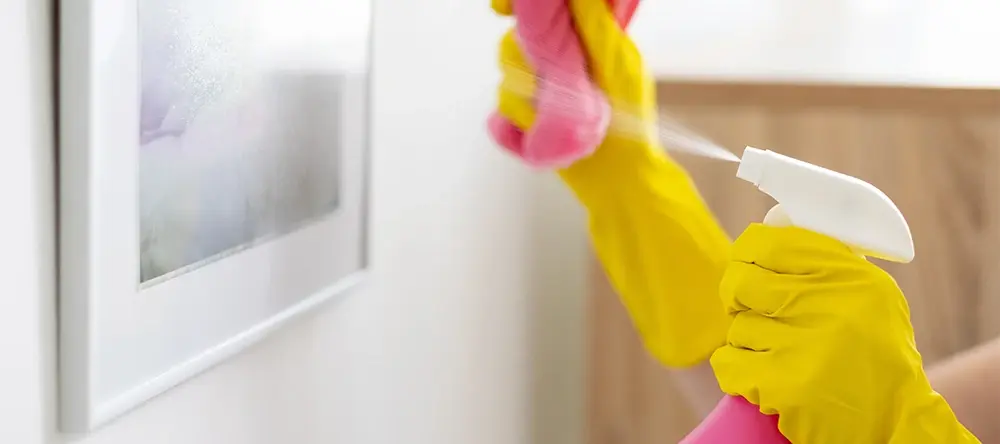
Note that these steps aren’t just applicable to acrylic wall art – they can be used for any decorative item with an acrylic glass surface, such as our popular MixBlox acrylic photo blocks!
Some Simple Maintenance Precautions
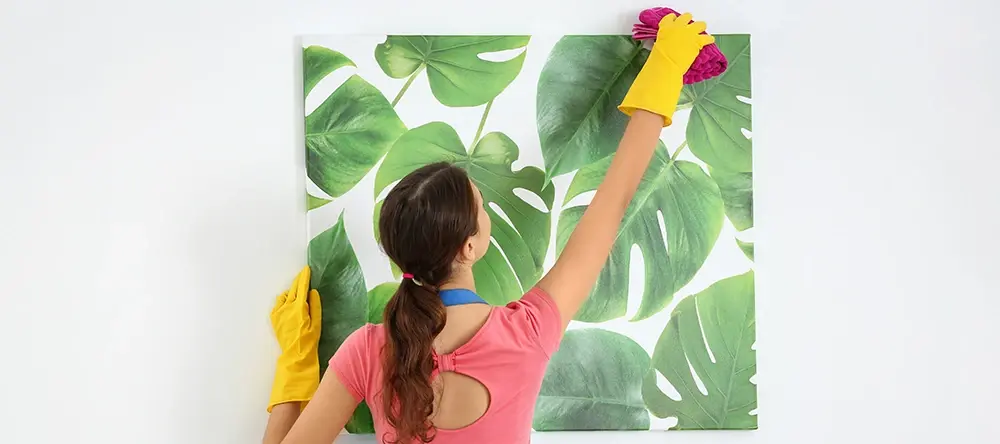
Acrylic prints have good in-built resistance to UV and wear & tear, so with basic care they should offer a lifetime of first-class performance. To help maintain the stunning visual appeal of your acrylic print, just observe these simple precautions and best practices
Thoughtful Positioning: Think carefully about where your acrylic prints are displayed. Keeping them out of direct sunlight, away from heat sources, and out of busy thoroughfares can help minimize potential damage.
Proper Handling: Only touch your acrylic prints with freshly cleaned hands to avoid transferring fingerprints or dirt onto the surface. If you need to move a print, hold it at the sides.
Secure Installation: Ensure that your prints are securely installed so as to prevent falls.
By adopting these preventive measures, you can extend the lifespan of your acrylic prints even further and keep them looking as stunning as the day you got them.
***
So now you have full instructions for how to clean your acrylic prints, whether they’re wall art pieces or free-standing ornaments such as MixBlox photo cubes.
And if you’re yet to buy your first photo print made with acrylic glass, you’ve reached the perfect place to do it. Explore the custom acrylic prints available here at CANVASDISCOUNT and begin creating your masterpiece today!