Living Room Wall Decor Ideas | Statement Pieces That Transform Your Space
 by Peter Parker
 5 Minutes
Your living room walls are more than just boundaries – they're opportunities. In American homes, where open floor plans and spacious living areas dominate, wall decor has become a powerful tool for self-expression and interior design. The right piece doesn't just fill empty space; it anchors your entire room, sets the mood, and tells visitors exactly who you are before you say a word. Whether you're working with a sprawling suburban living room or a cozy city apartment, the principles of impactful wall decor remain the same: choose pieces that resonate with you personally, scale them appropriately to your space, and don't be afraid to make a statement. This comprehensive guide explores the most effective approaches to living room wall decor, from oversized statement pieces to thoughtfully curated gallery walls.
The Power of Oversized Wall Art
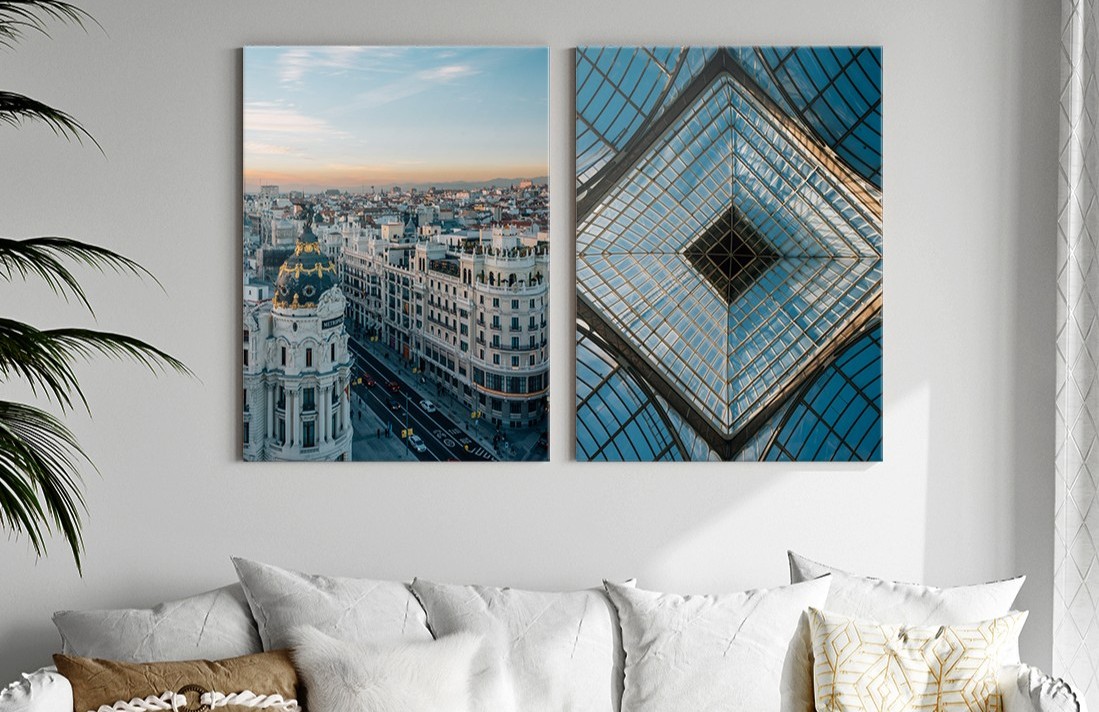
In the world of interior design, bigger often is better – especially when it comes to living room wall decor. Oversized art has emerged as one of the most transformative trends in American homes, and for good reason. A single large canvas print, typically measuring 40 inches or more, creates an immediate visual impact that multiple smaller pieces simply cannot achieve. The psychology behind this is straightforward: large artwork draws the eye, anchors the room, and eliminates visual clutter. Instead of your gaze bouncing between numerous small frames, it settles on one impressive focal point. This is particularly effective in open-concept living spaces common in American homes, where a substantial piece of wall art helps define the living area without physical barriers. When selecting oversized art, consider the emotional tone you want to set. Abstract pieces in bold colors energize a space, while serene landscapes or ocean photography create calm. Family portraits blown up to gallery size make a deeply personal statement. Whatever you choose, ensure the content speaks to you – you'll be looking at it every day.

Decorative Wall Panels: Architecture Meets Art
Decorative wall panels represent one of the most exciting developments in American wall decor. These three-dimensional installations add texture, depth, and architectural interest that flat artwork simply cannot provide. From geometric patterns to organic waves, decorative panels transform ordinary walls into sculptural features. Wood panels bring warmth and natural beauty, perfect for farmhouse, rustic, or Scandinavian-inspired interiors. Metal panels – available in everything from brushed aluminum to industrial steel – suit modern and contemporary spaces. For a luxury look, consider panels with integrated lighting that cast dramatic shadows and highlights. The key to successful panel installation lies in treating them as architectural elements rather than simple decoration. They work best as accent walls, drawing attention to specific areas like the space behind your sofa or your fireplace surround. Avoid covering every wall; selectivity creates impact.
Creating the Perfect Gallery Wall
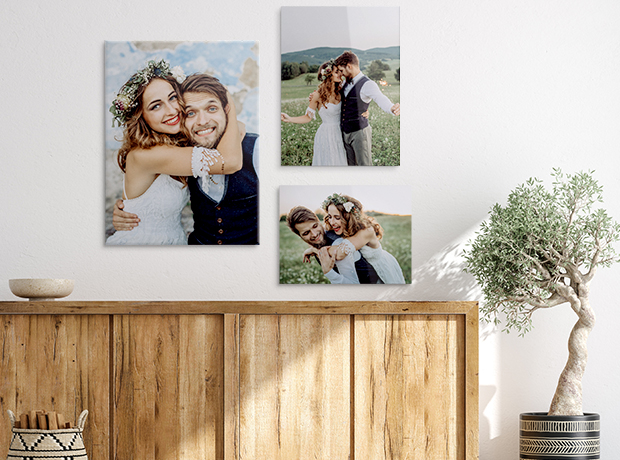
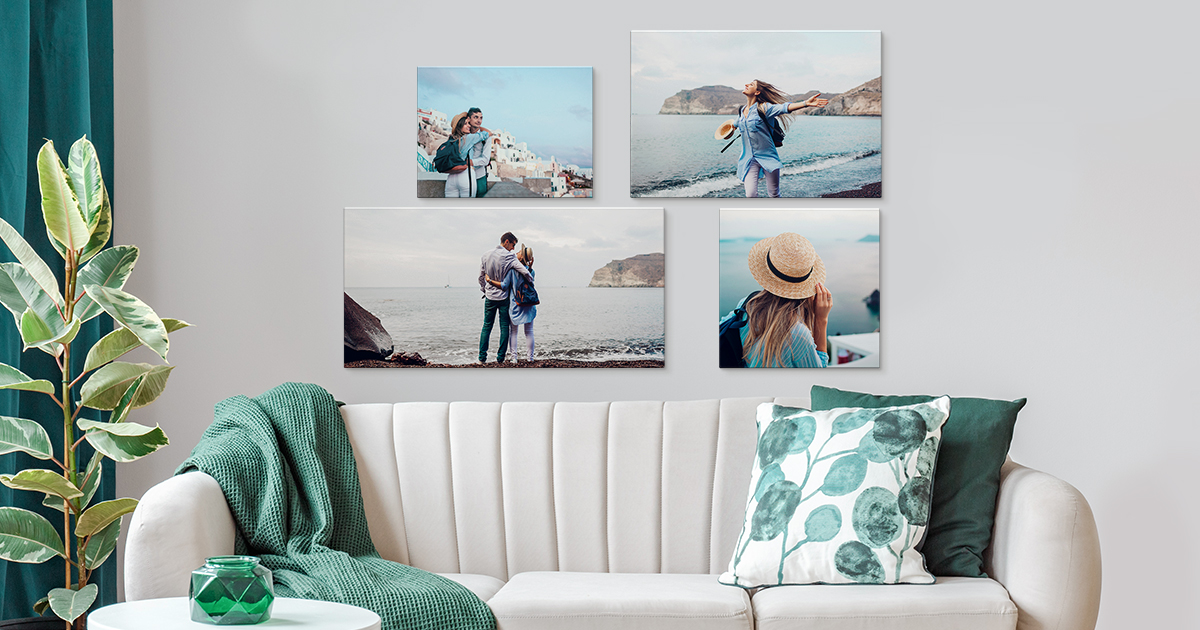
The gallery wall remains America's favorite approach to personalized wall decor, and mastering this technique can transform your living room into a curated exhibition of your life. Unlike a single statement piece, gallery walls tell complex stories through the combination of multiple images, creating visual interest through variety and personal meaning through curation. Start by gathering potential pieces: family photos, travel snapshots, artwork you love, meaningful quotes, even small decorative objects. Aim for a mix of sizes – at least one larger anchor piece surrounded by medium and small items. Before touching a hammer, lay everything out on the floor to experiment with arrangements. The most successful gallery walls share a unifying element: consistent frame colors, a cohesive color palette in the imagery, or a clear theme. Without this thread of connection, gallery walls can feel chaotic rather than curated. Maintain consistent spacing between pieces (2-3 inches works well) and keep the overall arrangement roughly symmetrical for a polished look, or intentionally asymmetrical for a more eclectic vibe. Consider mixing media within your gallery: canvas prints alongside framed photos, metal art next to woven pieces. This textural variety adds depth and keeps the eye engaged as it travels across your creation.
Color Strategy for Maximum Impact
Color is perhaps the most powerful tool in your wall decor arsenal, capable of transforming not just how a room looks but how it feels. Understanding basic color theory helps you make choices that enhance your living space rather than creating visual discord. For rooms with neutral furniture and decor, bold artwork becomes the star. Deep blues, vibrant reds, or sunny yellows pop against gray sofas and white walls, adding life and personality without requiring a complete room makeover. This approach lets you easily update your space's feeling by simply swapping out artwork. Conversely, if your living room already features strong colors in furniture or textiles, consider artwork in complementary or analogous tones. Pull colors from existing elements – the thread in a throw pillow, the subtle pattern in your rug – and find artwork that echoes these hues. This creates harmony rather than competition. Black and white photography deserves special mention for its versatility. Monochrome images work with virtually any color scheme and add sophistication without introducing new colors into your palette. They're particularly effective in contemporary and minimalist spaces where color restraint is part of the aesthetic.
Sizing and Placement Fundamentals
Even the most beautiful wall decor falls flat if improperly sized or positioned. American living rooms present specific challenges – high ceilings, large walls, furniture that floats away from walls – that require thoughtful solutions. The most reliable sizing guideline: artwork above furniture should measure approximately two-thirds the width of the furniture below. Above a standard 7-foot sofa, this means art roughly 56-60 inches wide. Above a loveseat, aim for 36-42 inches. This proportion feels balanced and intentional. Height matters equally. The center of your artwork should sit at eye level – typically 57-60 inches from the floor. When hanging above furniture, leave 6-8 inches between the furniture top and artwork bottom to create visual connection rather than awkward floating. For high ceilings, resist the temptation to hang artwork high. This disconnects art from the living space and strains necks. Instead, keep standard eye-level positioning and consider tall, vertical pieces or stacked arrangements to address the vertical space.
Mixing Materials for Designer Results
Professional interior designers rarely stick to a single medium, and neither should you. The interplay between different materials – matte canvas against glossy acrylic, warm wood beside cool metal – creates the layered, collected-over-time look that elevates living rooms from decorated to designed. Canvas prints offer texture and warmth, with a traditional artistic feel that suits nearly any style. Acrylic prints deliver modern sophistication through their glass-like surface and vibrant color reproduction. Metal prints bring contemporary edge with their luminous quality and durability. Beyond prints, consider incorporating other wall elements: decorative mirrors expand space and light, woven wall hangings add bohemian warmth, and dimensional pieces like sculptural art or shadow boxes create visual depth. The key is intentional variety – each piece should feel like a deliberate choice rather than random accumulation.
Start Your Living Room Transformation Today
Ready to make a bold statement with your living room walls? Start your transformation with an oversized canvas print that commands attention. For a contemporary edge, acrylic prints deliver stunning clarity and depth, while metal prints bring an industrial-modern vibe that designers love. Create a photo collage to showcase your favorite memories, or choose framed prints for classic elegance.
Conclusion
Your living room walls offer unlimited potential for personal expression and design impact. From bold statement pieces that anchor open floor plans to intimate gallery walls that tell your family's story, the right wall decor transforms everyday spaces into extraordinary environments.
Remember the fundamentals: scale appropriately to your space, choose imagery that genuinely moves you, and don't fear making a bold statement. Your living room is where life happens – your walls should reflect that life beautifully.
Start with one piece that speaks to you. Build from there. Before you know it, you'll have created a living room that's not just decorated, but truly designed.
Frequently Asked Questions About Living Room Wall Decor
-
For spacious living rooms, oversized pieces (48-72 inches wide) or substantial gallery arrangements make the strongest impact. Above a large sofa, aim for artwork that spans about two-thirds of the sofa's width. Single massive pieces work better than multiple small items in large spaces.
-
Pull colors from your existing furniture, rugs, and textiles to find artwork with complementary tones. Alternatively, choose neutral or monochrome artwork that won't compete with colorful furnishings. Consider the style too – modern furniture pairs with contemporary art, while traditional pieces suit classic imagery.
-
Tall vertical pieces, stacked arrangements, or gallery walls that extend upward work well with high ceilings. However, keep the center of your art at eye level (57-60 inches) to maintain connection with the living space – don't hang everything near the ceiling.
-
Absolutely! Mixing styles creates interest and personality. The key is finding a unifying element – consistent frame styles, a cohesive color palette, or complementary subjects. Professional designers often mix abstract with photography, or vintage with contemporary.
-
Quality matters more than quantity. A single statement piece can be more impactful than many small items. For gallery walls, 5-9 pieces typically works well. Avoid visual clutter – leave some wall space empty to let your chosen pieces breathe and command attention.