Custom Canvas Prints: The Complete Guide to Photo Canvas Printing
 by Michael Turner
 7 minutes
Custom canvas prints have transformed how we display and cherish our most meaningful photographs. What once required expensive professional services is now accessible to everyone, allowing you to turn smartphone snapshots, professional portraits, or digital artwork into gallery-quality wall art. The appeal of canvas prints lies in their timeless aesthetic and remarkable versatility. Unlike traditional framed photographs that can feel clinical or dated, canvas prints bring warmth and artistic depth to any space. The texture of the canvas material adds dimension that flat prints simply cannot achieve, while the frameless design creates a contemporary, gallery-wrapped appearance that complements any décor style. This comprehensive guide covers everything you need to know about creating stunning custom canvas prints. From selecting the right photos and understanding size options to preparing your images for optimal results, you'll discover how to transform your favorite memories into professional-quality wall art that will be treasured for generations.
What Are Custom Canvas Prints?
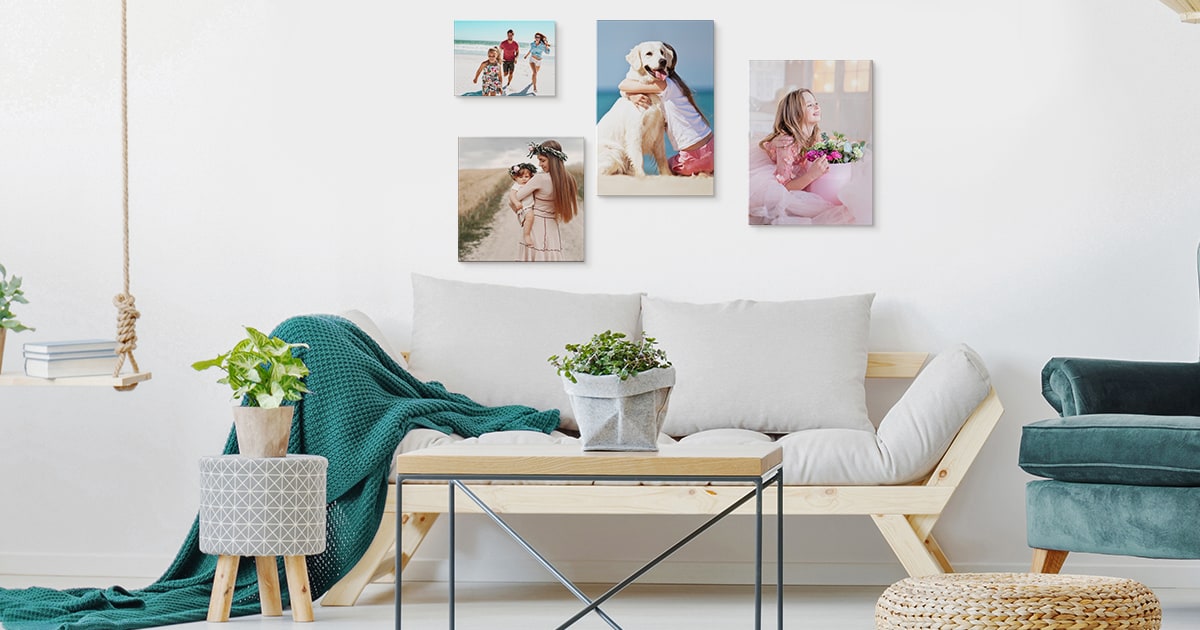
Custom canvas prints are high-resolution photographs or digital images printed directly onto canvas material and stretched over a wooden frame. The result is a ready-to-hang piece of wall art that looks and feels like an original painting or gallery artwork. The printing process uses archival-quality inks that are resistant to fading, ensuring your canvas prints maintain their vibrant colors for decades. Modern printing technology allows for exceptional detail reproduction, capturing every nuance of your original image. Canvas material itself contributes significantly to the final appearance. The woven texture adds artistic character that elevates ordinary photographs to something more substantial and permanent. When searching for where to buy canvas prints in the US, quality materials and printing processes should be your primary considerations. Unlike paper prints that require separate framing, canvas prints arrive ready to hang. The canvas is stretched tightly over a wooden stretcher frame, with edges either wrapped with the image (gallery wrap), colored solid, or mirrored. This self-contained format simplifies display while creating a polished, professional appearance.
Choosing the Right Photos for Canvas
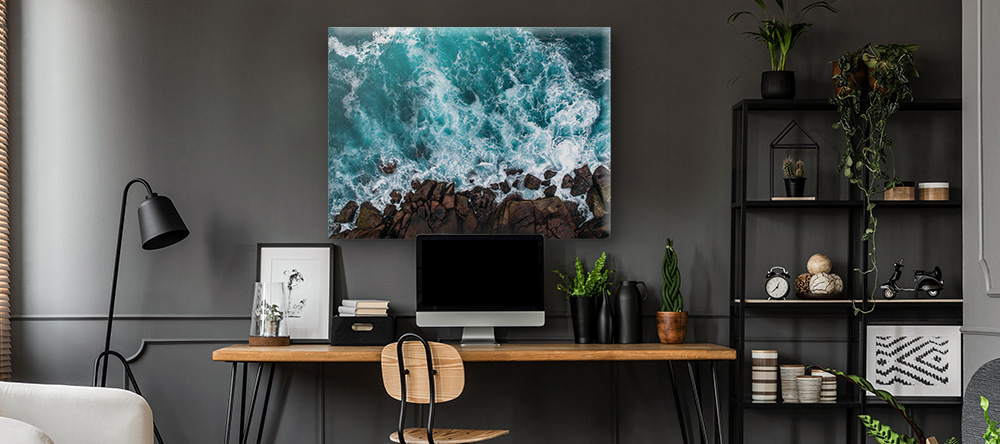
Not every photograph translates equally well to canvas format. Understanding what makes an image canvas-worthy helps you select photos that will create stunning results. Resolution matters significantly for canvas prints. For best results, your image should have sufficient pixels to print at your desired size without appearing pixelated or soft. A general rule suggests needing at least 100-150 pixels per inch at your final print size. For a 24x36 inch canvas, this means your image should be at least 3600x5400 pixels. Composition translates differently on canvas than on screen. Images with strong focal points, balanced compositions, and meaningful negative space typically work best. Consider how the image will appear stretched across a three-dimensional canvas surface rather than flat on a screen. Subject matter influences canvas success. Landscapes, portraits, nature photography, and artistic images tend to produce particularly striking canvas results. The canvas texture enhances these subjects, adding depth and artistic quality. For those seeking canvas prints for tight budgets, investing in proper image selection maximizes your value. Color considerations affect final impact. Bold, vibrant colors pop beautifully on canvas, while subtle tones gain depth from the material's natural warmth. Both approaches work well when intentionally chosen.
Understanding Canvas Print Sizes
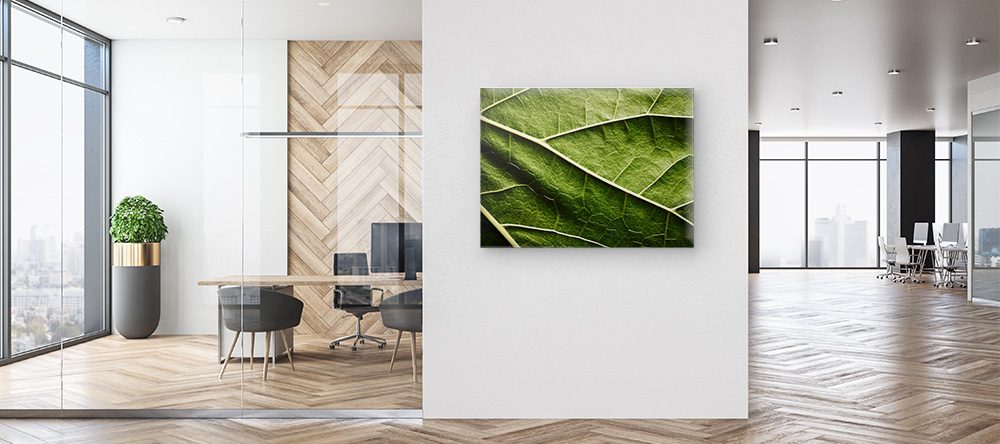
Canvas print sizes range from intimate desktop pieces to dramatic wall-spanning statements. Understanding standard sizes and their applications helps you choose appropriately for your space. Small canvas prints (8x10 to 12x16 inches) work beautifully for desktop display, narrow walls, or grouped arrangements. These intimate sizes suit detailed images that reward close viewing, such as portraits or macro photography. Medium canvas prints (16x20 to 24x36 inches) represent the most popular size range. These dimensions create substantial impact without overwhelming typical room proportions. Above a sofa, a 24x36 inch canvas commands attention while maintaining visual balance. Large canvas prints (36x48 inches and beyond) make dramatic statements in spacious rooms. These sizes transform photographs into focal points, particularly effective in living rooms, offices, or above dining areas. Large canvases require high-resolution source images to maintain quality. Multi-panel arrangements offer creative alternatives to single large canvases. Splitting an image across multiple panels creates visual interest while allowing flexibility in arrangement and display.
Preparing Your Images for Printing
Proper image preparation ensures your canvas prints meet expectations. A few adjustments before ordering can dramatically improve final results. Check image resolution first. View your image at 100% zoom to assess actual quality. If the image appears soft or pixelated at full size, it may not produce satisfactory results at larger print sizes. Consider printing smaller or selecting a higher-resolution alternative. Adjust brightness and contrast for printing. Images often appear darker when printed than they do on backlit screens. Brightening shadows slightly and ensuring good contrast helps canvas prints match your expectations. Consider color accuracy. Different monitors display colors differently, and printing introduces additional variables. Most quality canvas printing services use color calibrated equipment, but extremely critical color work may benefit from professional color management. Account for edge wrapping. If choosing gallery wrap style where your image wraps around the canvas edges, ensure important content doesn't extend to the outer portions of your image. Leave a safe zone around critical elements.
Canvas Print Styles and Options
Beyond size selection, several stylistic options customize your canvas prints to match your vision and décor. Gallery wrap remains the most popular canvas style. Your image wraps around the sides of the wooden frame, creating a frameless appearance that looks complete without additional framing. This contemporary style suits most modern interiors. Mirror wrap stretches and reflects your image edges around the sides, creating a seamless continuation without cropping important content. This option works well when you want full image visibility on the front face. Solid color edges provide clean borders around your image. Black, white, or custom colors frame your photograph within the canvas format. This style suits images where edge content is important or where you prefer defined boundaries. Framed canvas combines traditional framing with canvas texture. A frame surrounds the stretched canvas, adding formality and protecting edges. This style bridges traditional and contemporary aesthetics. Floating frames create a modern look where the canvas appears suspended within a larger frame, with visible space between canvas edge and frame. This sophisticated option suits contemporary spaces.
Caring for Your Canvas Prints
Proper care extends the life of your canvas prints, protecting your investment for years of enjoyment. Placement considerations matter significantly. Avoid hanging canvas prints in direct sunlight, which accelerates fading despite UV-resistant inks. Extremely humid environments can affect canvas tension over time, though quality canvases tolerate normal humidity variations. Cleaning requires gentle approaches. Dust canvas surfaces with a soft, dry cloth or feather duster. For stubborn marks, a slightly damp cloth with gentle pressure works for most situations. Avoid cleaning products or excessive moisture. Handle with care during moving or repositioning. Canvas surfaces can be damaged by sharp objects or excessive pressure. Lift canvases from the frame rather than gripping the canvas surface itself. Long-term storage, if necessary, should involve wrapping canvases in acid-free paper or clean cloths. Store vertically in climate-controlled environments away from extreme temperature fluctuations.
Create Your Custom Canvas Print Today
Transform your favorite photographs into stunning wall art with a custom canvas print. Our high-quality printing process ensures vibrant colors and sharp details that last for generations.
Looking for alternative display options? Acrylic prints offer a sleek, modern look, while metal prints provide exceptional durability and contemporary appeal.
Create a personalized gallery with a photo collage canvas, or choose the classic elegance of framed prints for a timeless presentation.
Finally
Custom canvas prints offer an accessible, affordable way to transform meaningful photographs into lasting wall art. From understanding what makes images canvas-worthy to selecting appropriate sizes and styles, the process rewards thoughtful consideration with results you'll treasure for years.
Whether you're creating a single statement piece or curating an entire gallery wall, custom canvas prints elevate ordinary photographs to something extraordinary. The combination of professional-quality printing, durable materials, and timeless aesthetic ensures your memories receive the presentation they deserve.
Start with your most meaningful images, choose sizes appropriate to your spaces, and discover how custom canvas prints can transform both your photographs and your home.
Frequently Asked Questions About Custom Canvas Prints
-
For optimal quality, your image should have at least 100-150 pixels per inch at your desired print size. For a 24x36 inch canvas, this means approximately 3600x5400 pixels minimum. Higher resolution produces sharper results.
-
Quality canvas prints using archival inks and materials can last 75-100 years or more when properly cared for. Avoid direct sunlight and extreme humidity to maximize longevity.
-
Yes! Modern smartphone cameras capture sufficient resolution for impressive canvas prints. Most phones produce images suitable for canvases up to 24x36 inches or larger.
-
Gallery wrap stretches your image around the canvas edges for a frameless look. Framed canvas adds a traditional frame around the stretched canvas. Gallery wrap suits contemporary spaces while framed canvas bridges traditional and modern styles.
-
Consider your wall space and viewing distance. A general guideline suggests artwork should cover 50-75% of available wall width. Above furniture, artwork should be approximately two-thirds the width of the furniture below it.