USA, Canada and Mexico Football Road Trip 2026: Photo Guide to Every City
 by Michael Turner
 7 minutes
The summer of football 2026 is not just a tournament. It is a road trip across three countries, sixteen cities, and some of the most photogenic urban landscapes in North America. Whether you are driving from one match to the next, flying between fan zones, or planning a single weekend in one unforgettable city, the photos you take this summer will be the ones you talk about for decades. This guide is your city-by-city photography playbook for the biggest football summer the continent has ever seen. Every city, every must-shoot location, and every tip you need to come home with photos worth printing, framing, and keeping forever.
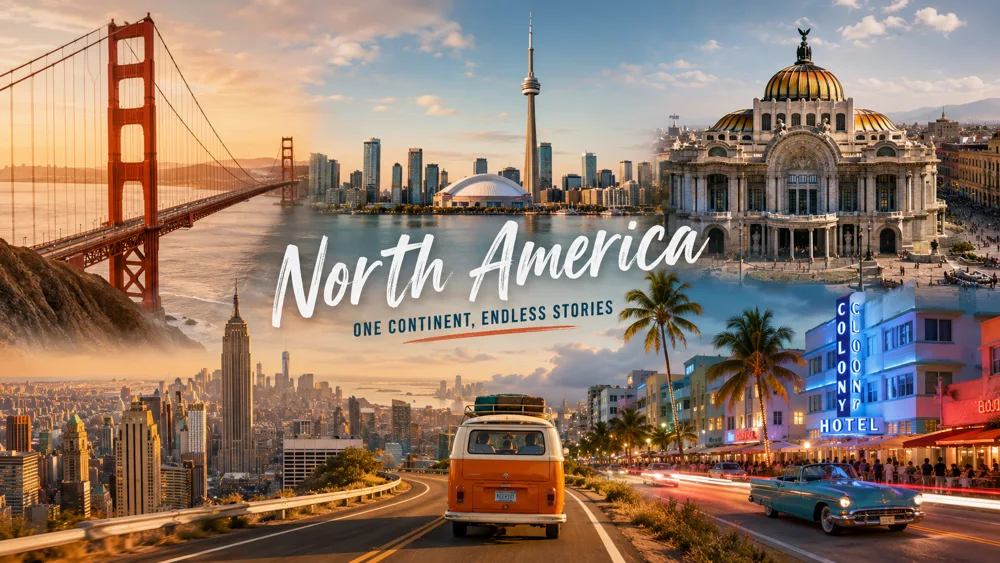
Why This Road Trip Deserves a Dedicated Camera Roll
Most football trips produce exactly two types of photos: blurry crowd shots and selfies with strangers. That is fine for social media, but it leaves the best visual stories untold. The cities themselves are the story. The skyline at golden hour before a match. The street food vendor you found at 2am after a win. The mural on the side of a building in a neighbourhood you wandered into by accident. Those are the photos that become canvas prints and photo books, not the hundredth shot of a screen showing a goal replay.

This guide treats every city as a photography destination first and a football city second. Because the football is temporary, but the cities, the food, the architecture, and the people you meet along the way are permanent. Your camera should reflect that balance.
The American Cities: Coast to Coast in Photos
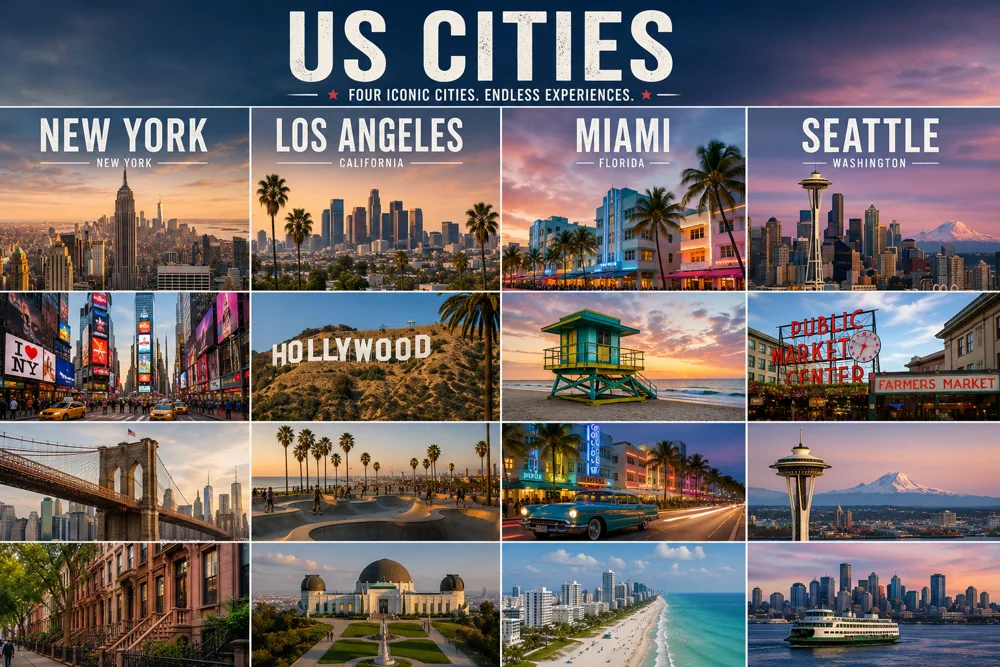
The United States provides the backbone of this football summer, with eleven cities spread across the country. Each one has a distinct visual personality, and the best photographers will capture that personality rather than just documenting the football.
New York / New Jersey
The skyline alone could fill an entire photo book. Shoot Manhattan from the Brooklyn Bridge at sunrise when the towers catch the first gold light. Walk through Times Square in the evening when the neon creates a cathedral of colour that photographs like nowhere else on earth. For something quieter, the High Line offers elevated views of the West Side that feel cinematic in any light. The Statue of Liberty from the Staten Island Ferry is free and gives you the most iconic New York shot without the tourist scrum of Liberty Island.
Los Angeles
LA rewards patience. The best light happens in the hour before sunset when everything turns amber and the palm tree silhouettes become graphic art. Griffith Observatory gives you the Hollywood Sign and the downtown skyline in one frame. Venice Beach boardwalk is pure visual chaos in the best way, especially on weekends. For architecture, the Getty Center offers clean modernist lines against mountain backgrounds that photograph beautifully.
Miami
Miami is the most naturally photogenic football city in the lineup. The Art Deco buildings on Ocean Drive are stunning at any time of day, but they peak at dusk when the neon signs switch on against a pastel sky. South Beach at sunrise is empty and golden. Little Havana's Calle Ocho is a vibrant street photography paradise of murals, domino players, and colourful storefronts. The Wynwood Walls district gives you gallery-quality street art as a backdrop for portraits.
Dallas, Houston, and Atlanta
Dallas surprises people with its dramatic skyline. Reunion Tower at night, the Margaret Hunt Hill Bridge as a leading line, and the Deep Ellum neighbourhood for street art and live music atmosphere. Houston's Space Center exterior makes a unique football-trip photo that nobody else will have. The Buffalo Bayou trails offer unexpected nature photography in the middle of a concrete city. Atlanta's BeltLine is a photographer's dream of murals, greenery, and urban renewal, and Ponce City Market rooftop gives you a sweeping city panorama.
Philadelphia, Boston, and Seattle
Philadelphia's Rocky Steps give you the famous museum vista, but the real photography gold is in the murals. Philly has over 4,000 of them, more than any city in the world. Walk through South Street and the Italian Market for street scenes that feel timeless. Boston is compact enough to walk in a day. The Freedom Trail passes through enough historic architecture to fill an album. The harbour at sunset, with sailboats and the skyline behind, produces prints you will want on your wall. Seattle's Pike Place Market is the single best indoor photography location on the entire road trip. Layer upon layer of flowers, fish, produce, and neon. The Space Needle at dusk, shot from Kerry Park, is one of the most recognisable skyline photos in America.
San Francisco and Kansas City
San Francisco is arguably the most photographed city in the country, and for good reason. The Golden Gate Bridge in fog, the Painted Ladies at Alamo Square, cable cars climbing impossibly steep streets. The trick is timing: shoot the bridge at sunrise before the fog lifts for that ethereal look, and the Painted Ladies in late afternoon when the sun hits the facades. Kansas City is the underdog of this list, but its barbecue scene alone deserves documentation. The Country Club Plaza architecture is unexpectedly beautiful, and the National WWI Museum offers a stunning skyline view that most visitors miss entirely.
Canada: Toronto and Vancouver
Canada contributes two cities that could not be more different, and both are absolute gifts for photographers.
Toronto
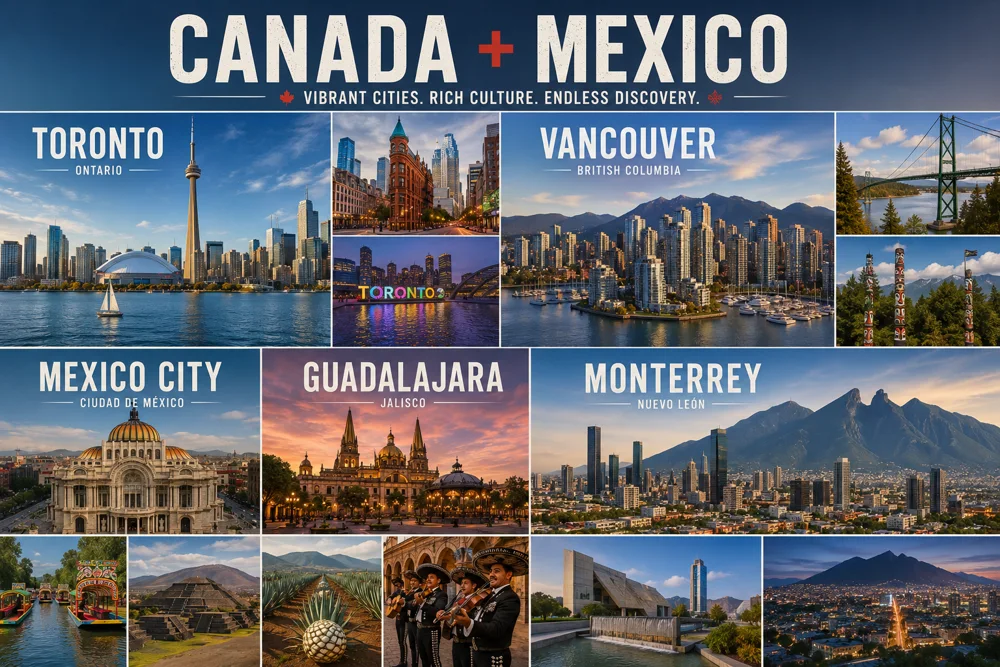
The CN Tower is the obvious shot, but shoot it from the Toronto Islands for a water-and-skyline composition that gives the image depth. The Distillery District is a cobblestone neighbourhood of restored Victorian industrial architecture that photographs like a film set. Kensington Market is Toronto's most colourful and chaotic neighbourhood, perfect for candid street photography. For food photography, St. Lawrence Market on a Saturday morning is sensory overload in the best possible way.
Vancouver
Vancouver might be the most naturally beautiful city on the entire road trip. Mountains, ocean, and downtown glass towers in a single frame from Stanley Park. Granville Island Public Market rivals Pike Place for colour and energy. Gastown's steam clock and cobblestone streets offer a European feel. For the truly adventurous photographer, the Sea to Sky Highway north of the city produces landscapes that belong on a gallery wall, ideally printed on acrylic for that extra depth and clarity.
Mexico: Where Colour Meets Culture
Mexico's three cities are the most visually rich stops on the entire road trip. The colour palette alone will transform your camera roll.
Mexico City
Mexico City is one of the great photography cities of the world, and a football trip is the perfect excuse to explore it. The Palacio de Bellas Artes is stunning from outside and even more stunning from inside. The Zocalo, one of the largest public squares in the world, gives you scale and history in one frame. Coyoacan is the colourful bohemian neighbourhood where every corner offers a new composition. For street food photography, the markets are unbeatable. Mercado de San Juan is a feast for the lens before it is a feast for the stomach.
Guadalajara
Guadalajara's historic centre is a masterclass in colonial architecture. The Cathedral, the Hospicio Cabanas, and the Rotonda de los Jaliscienses Ilustres all photograph beautifully. Tlaquepaque, the artisan neighbourhood, is an explosion of ceramics, textiles, and colour that rewards slow, wandering photography. For a unique shot, the Guachimontones pyramids outside the city are circular ancient structures that most football tourists will never see.
Monterrey
Monterrey is the most dramatic landscape setting of any city on this list. The Sierra Madre mountains frame the entire skyline, creating backgrounds that look edited even though they are entirely real. The Fundidora Park, a converted steel mill turned urban park, offers industrial-meets-nature photography that is genuinely unique. Barrio Antiguo is the colourful historic quarter where the nightlife and street culture produce the kind of candid photography that captures the energy of an entire trip.
Photography Tips That Make Your Road Trip Photos Print-Worthy
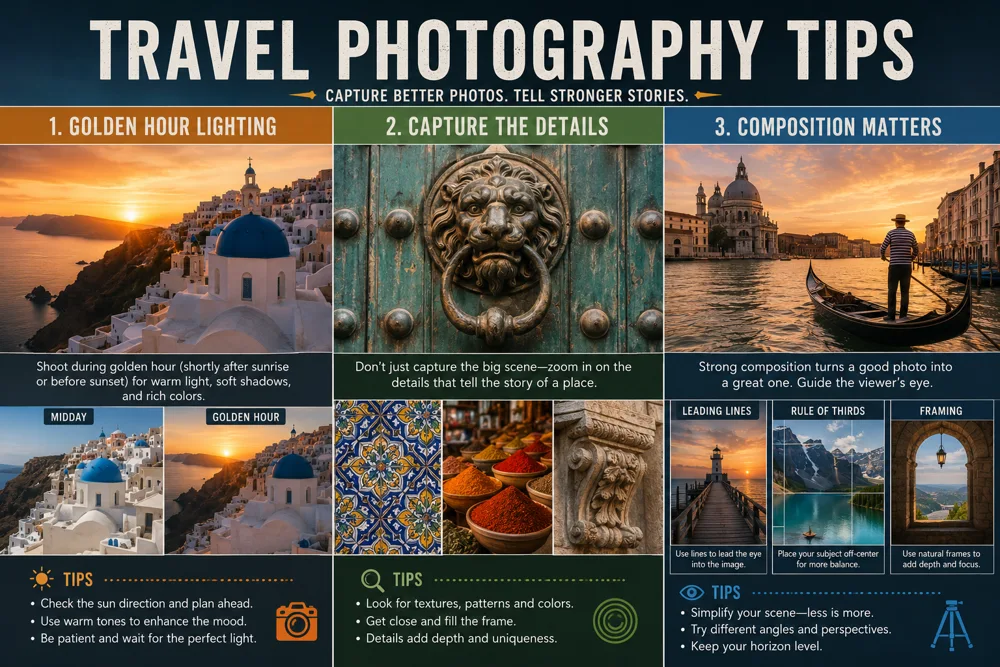
Great travel photos are not about the camera. They are about light, timing, and composition. Here are the tips that separate snapshots from prints.
Shoot during golden hour. The first and last hour of sunlight produce warm, directional light that makes everything look better. City skylines, street scenes, food, and people all benefit from golden light. Midday sun creates harsh shadows and washed-out colours. Plan your city walks around sunrise and sunset, and use the midday hours for indoor locations like markets and museums.
Shoot details, not just vistas. A close-up of street food, a hand holding a matchday ticket, condensation on a cold drink, the texture of a cobblestone street. These details tell the story of a trip far more effectively than another wide-angle skyline. And they make incredible photo mugs and keychains because the composition is already tight and personal.
Include people in context. A street scene without people is architecture. A street scene with people is a story. You do not need posed portraits. A fan walking through a fan zone, a chef preparing food, a child pointing at something. These human moments give your photos emotional weight and make them the ones you reach for when choosing what to print.
Turning Your Road Trip Photos into Keepsakes That Last
The real payoff of a great photography road trip is what you do with the photos afterward. A phone gallery fades into the background within weeks. A printed collection stays visible, tangible, and meaningful for years.
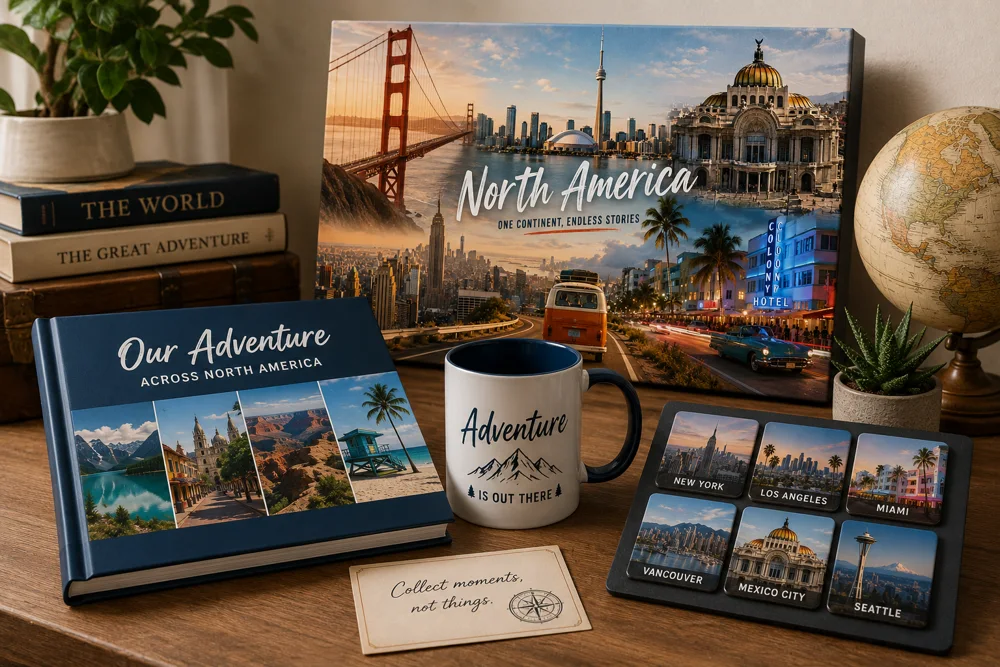
Build a city-by-city photo book. Organise your best shots by location, with a few pages per city. Include the food, the streets, the people, and one hero skyline shot per city. A printed photo book is the single best way to preserve a multi-city trip because it tells the complete story in order.
Pick your hero shots for the wall. Every road trip produces two or three images that deserve more than a photo book. The San Francisco fog shot. The Mexico City market scene. The Vancouver mountain-and-skyline frame. Print these as large-format wall art, on canvas or acrylic, and give them a permanent place in your home. They become conversation starters and daily reminders of the summer you spent chasing football across a continent.
Create a collage canvas of your best moments. One image per city, arranged in a grid. Sixteen cities, sixteen photos, one print. It is the single most efficient way to capture the entire trip in one glance, and it works on any wall in any room.
Make everyday keepsakes. Your best food photo becomes a custom mug you use every morning. A skyline detail becomes a keychain you carry everywhere. A street scene becomes a set of MixPix photo tiles you rearrange on your wall as your mood changes. The point is to keep the trip alive in daily life, not locked in a phone you rarely scroll through.
Conclusion
The football road trip of 2026 is a once-in-a-generation opportunity to experience three countries, sixteen cities, and hundreds of moments worth photographing. But the trip itself is temporary. It lasts a few weeks, and then it lives in your memory and your camera roll. The photos you take, and what you choose to do with them, are what make the experience permanent. Shoot with intention. Capture the cities, not just the football. Print the best ones, frame the hero shots, and build a collection of keepsakes that keeps the summer alive for years. The road trip ends. The photos do not have to.
Frequently Asked Questions
San Francisco, Miami, Mexico City, and Vancouver consistently rank as the most photogenic. San Francisco offers iconic landmarks in compact space, Miami delivers Art Deco architecture and beach light, Mexico City is unmatched for colour and culture, and Vancouver combines mountains and ocean with modern architecture.
A city-by-city photo book captures the full story. Hero shots work best as large-format canvas or acrylic prints. Detail photos and food shots make excellent mugs, keychains, and photo magnets for everyday use.
Golden hour, the first and last hour of sunlight, produces the best results in every city. Plan major outdoor shoots around sunrise or sunset. Use midday for indoor locations like markets, museums, and food halls.
No. Modern smartphones produce print-quality images in good light. Focus on timing and composition rather than gear. Clean your lens, shoot in golden hour, and frame your subjects with care.
Most fans cover three to five cities in a two-week trip. Focus on regional clusters to minimise travel time: Northeast (New York, Philadelphia, Boston), West Coast (LA, San Francisco, Seattle), or the Mexico circuit (Mexico City, Guadalajara, Monterrey).
