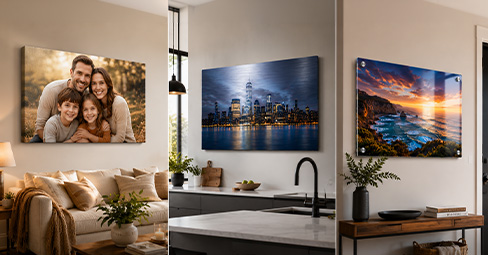
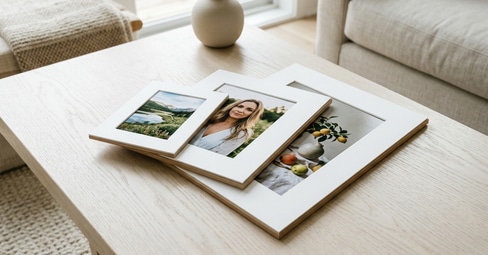
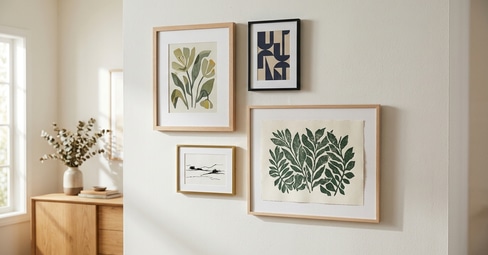
A framed print is the most classic way to put a photo on the wall, and it is still the format most people picture when they think of finished, gallery-ready art. No stretching, no mounting hardware to figure out, no bare edges: it arrives complete, matted, glazed, and ready to hang the moment it comes out of the box. But ordering framed prints online means trusting a company to get the frame, the matting, the glass, and the print all right at once, and quality varies more than you might expect. This honest buyer's guide to the best framed prints online for 2026 cuts through the marketing to tell you what actually matters: what a good framed print is made of, how to choose the frame and mat, which photos suit framing, how much to expect to pay, and how to order one that looks like it came from a gallery, not a discount bin.
In a nutshell: The best framed prints online use a luster-finish photo print, bevel-cut museum card-stock matting, protective acrylic glazing, and a solid, well-finished frame. Framed prints suit portraits, formal photos, and traditional interiors where a classic, finished look matters. To buy well, check the print quality, matting, glazing, and frame material, then choose a frame color that complements your photo and room, and order from a company that shows all four clearly.
Key Takeaways
- Framed prints arrive finished and ready to hang. Unlike canvas or posters, a framed print comes complete with mat, glass, and frame, so there is nothing to assemble or mount.
- Four elements determine quality. The print (luster finish), the matting (bevel-cut museum card-stock), the glazing (acrylic glass), and the frame (solid, well-finished) all have to be right together.
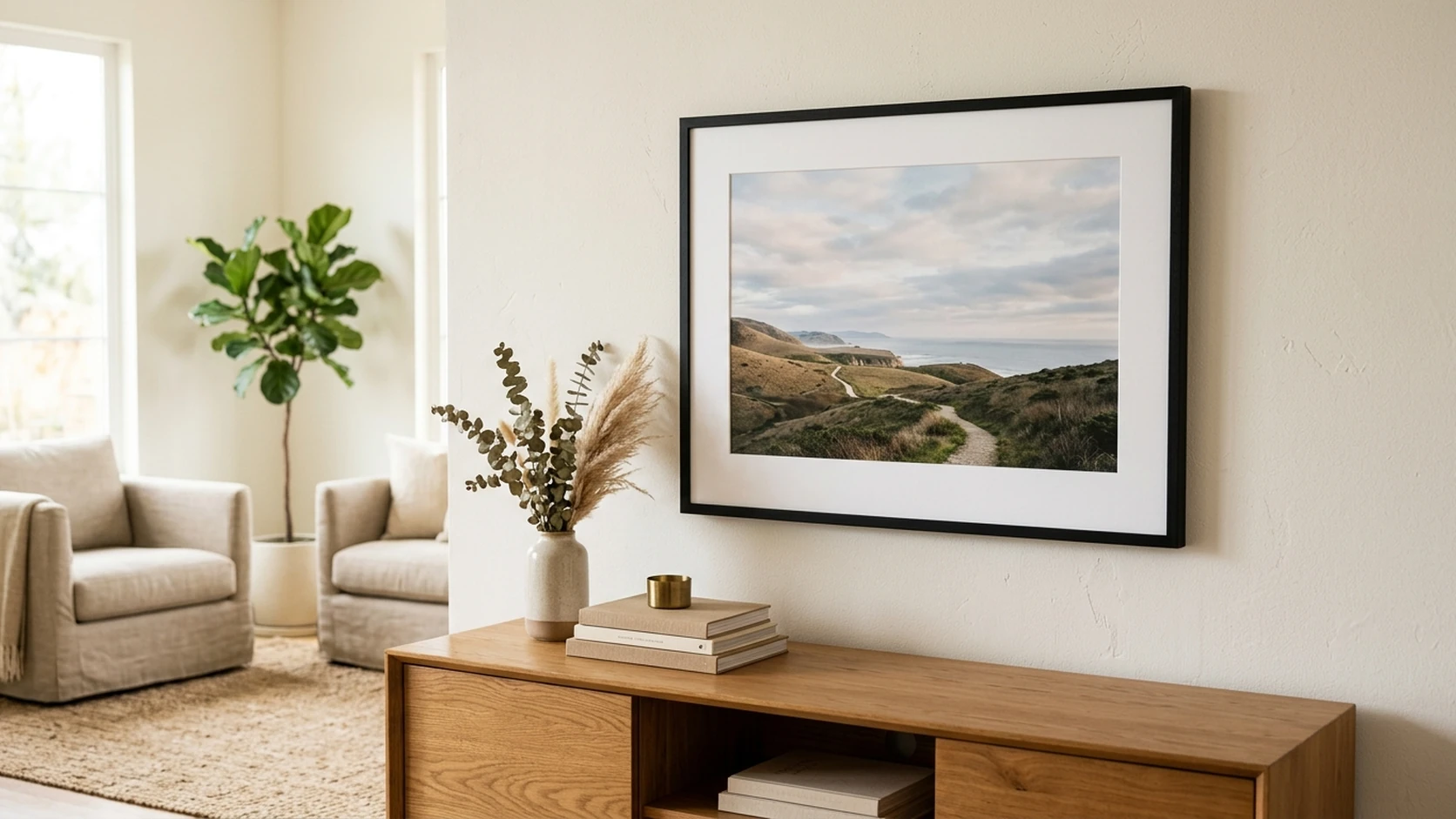
- Matting makes a big difference. Pure-white bevel-cut matting draws the eye to the photo and prevents shadows falling across the print. It is what separates a gallery look from a cheap one.
- Frame color should complement, not compete. Subtle shades and natural wood finishes harmonize with the photo. Choose the frame to suit both the image and the room.
- Best for portraits and formal photos. Framed prints suit portraits, family photos, professional shots, and traditional interiors where a classic finished look is wanted.
- Acrylic glazing is safer than glass. Acrylic protects the print, resists shattering, and is lighter than traditional glass, making framed prints safer and easier to hang.
Framed Print and Wall Art Options
Here are the framed and wall art products to consider when you want a finished, ready-to-hang result.
What Makes a Quality Framed Print
A framed print is really four products working together, and a weak link in any one lets the whole piece down. Here is what to look for in each.
1. The Print
The photo itself should be reproduced with the latest digital printing for crystal-clear resolution and accurate color. A luster finish is the standard for framed photo prints: it sits between glossy and matte, giving rich color and fine detail while resisting the heavy glare of a full gloss. This finish photographs and displays beautifully behind glazing.
2. The Matting
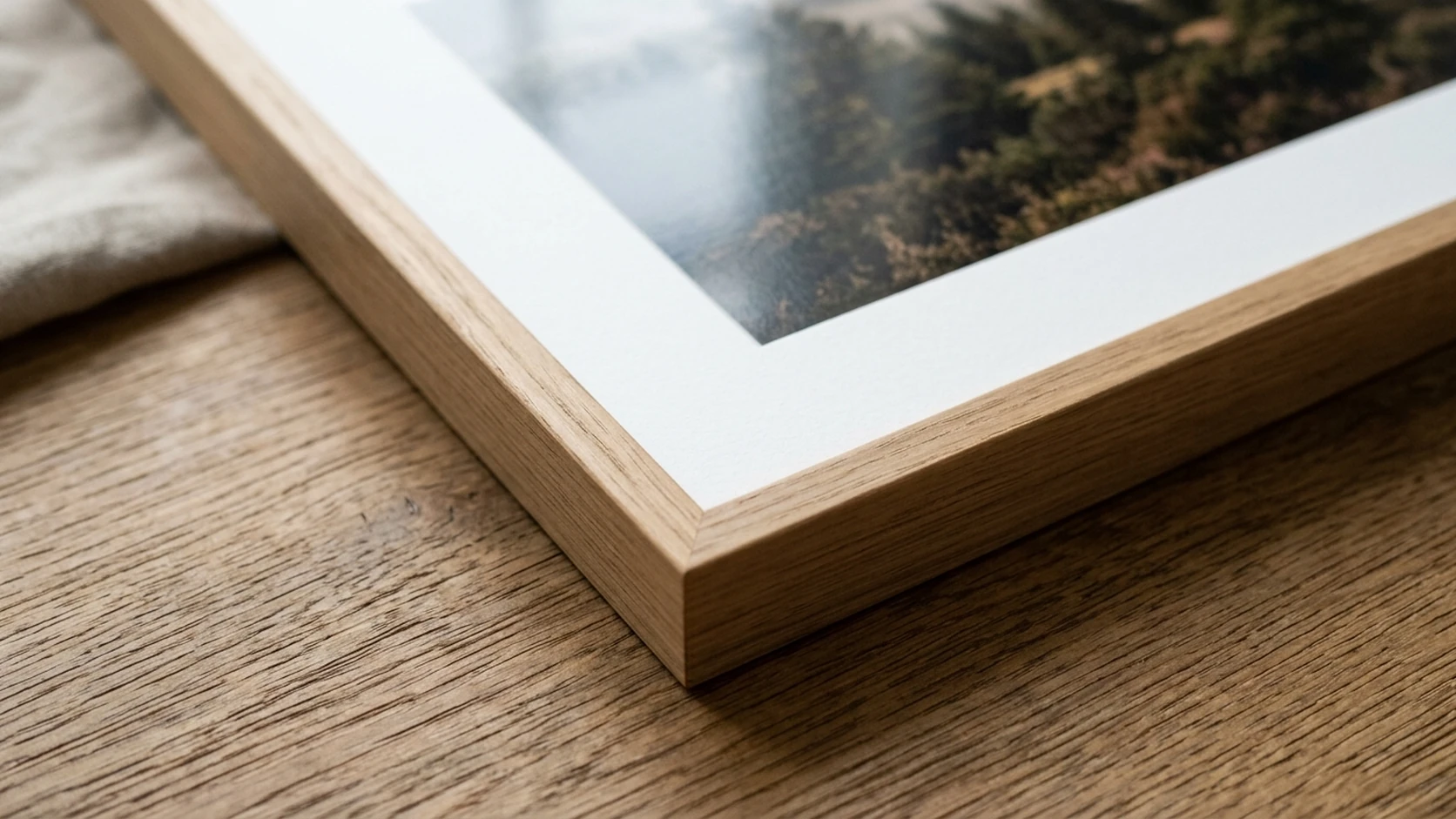
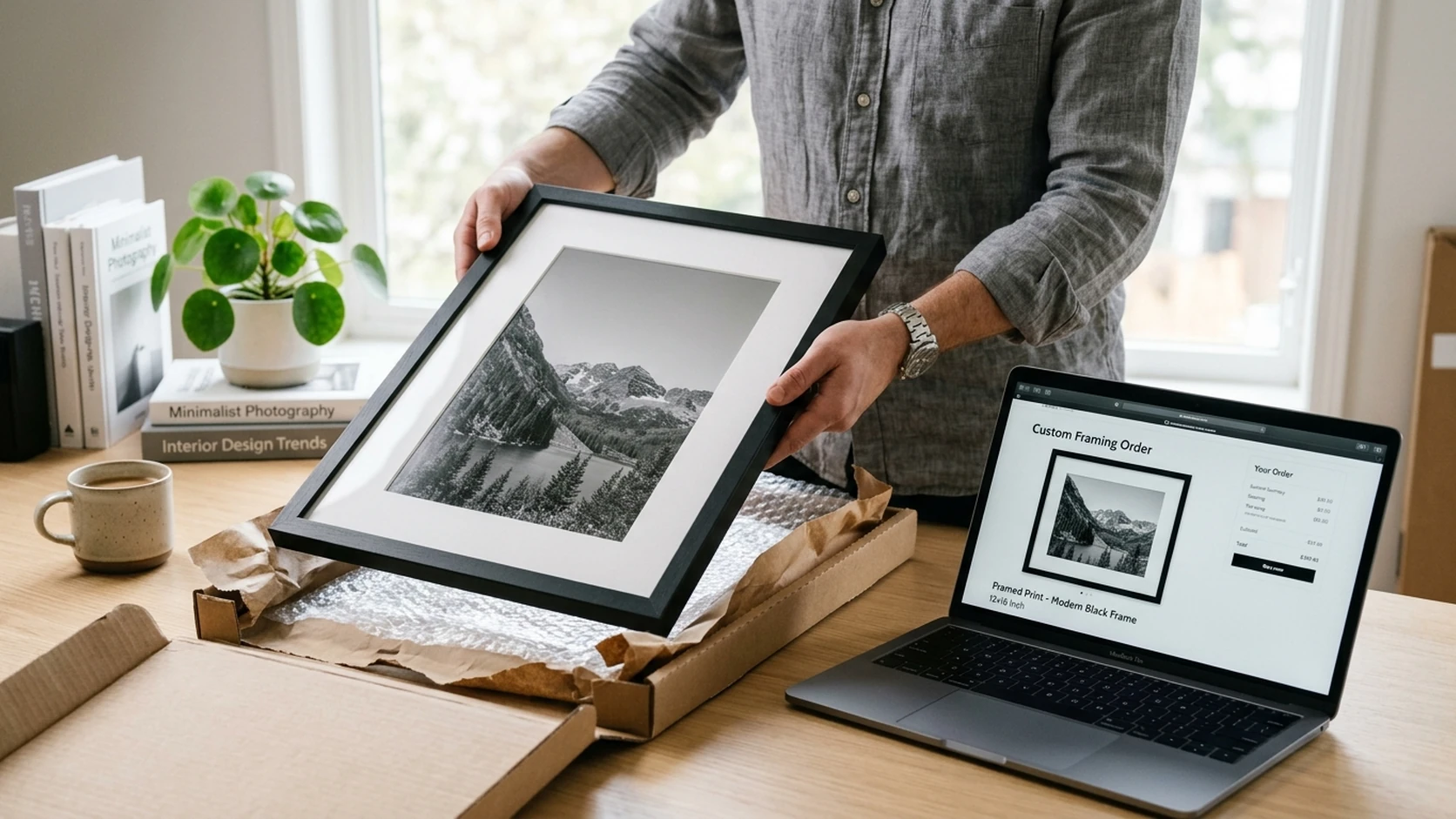
Matting is the border between the print and the frame, and it is where quality really shows. The best framed prints use pure-white matting cut from museum card-stock, with a bevel cut: an angled edge that draws the viewer's eye inward to the photo and prevents shadows from falling across the image. Cheap framed prints skip the mat or use thin, low-grade board that yellows over time. Quality bevel-cut matting is one of the clearest signals of a well-made framed print.
3. The Glazing
Glazing is the transparent sheet protecting the print. Quality framed prints use flawless acrylic glass rather than traditional glass. Acrylic is lighter, does not shatter, and still protects the print from dust, moisture, and handling. This makes the finished piece safer to ship, safer on the wall, and easier to hang, especially at larger sizes.
4. The Frame
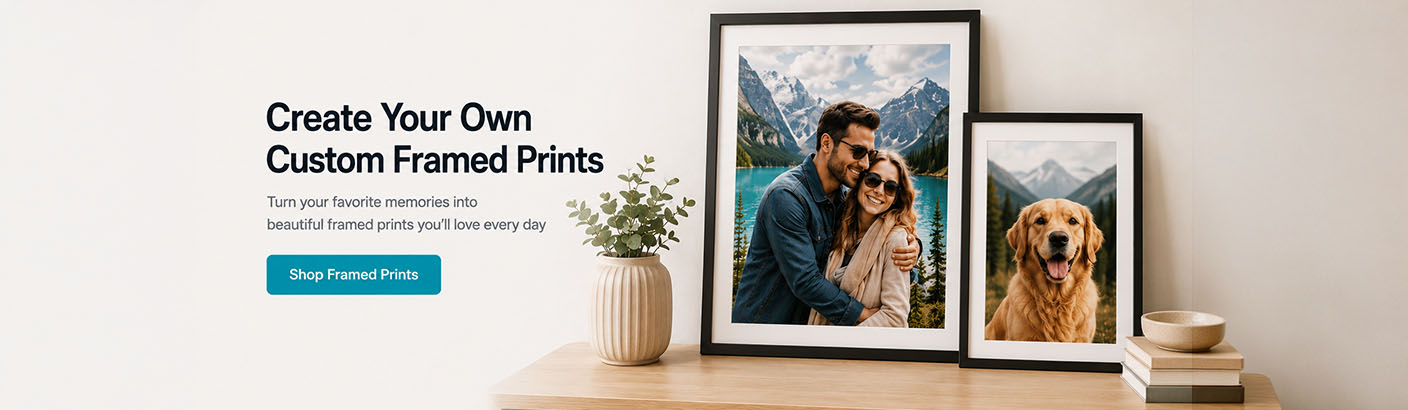
The frame is the finishing element. Look for a solid, well-finished frame available in a range of classic options: subtle shades and handsome wood finishes designed to harmonize with your photo rather than overpower it. Some providers now make frames from recycled materials, such as reclaimed ocean plastic, which reduces the environmental footprint without sacrificing the look. A good framed photo print offers several frame colors so you can match both the image and the room.
How to Choose the Right Frame and Mat
Choosing the frame and mat is where you turn a print into a piece that fits your space. A few simple principles get it right.
| Element | Guideline | Why |
|---|
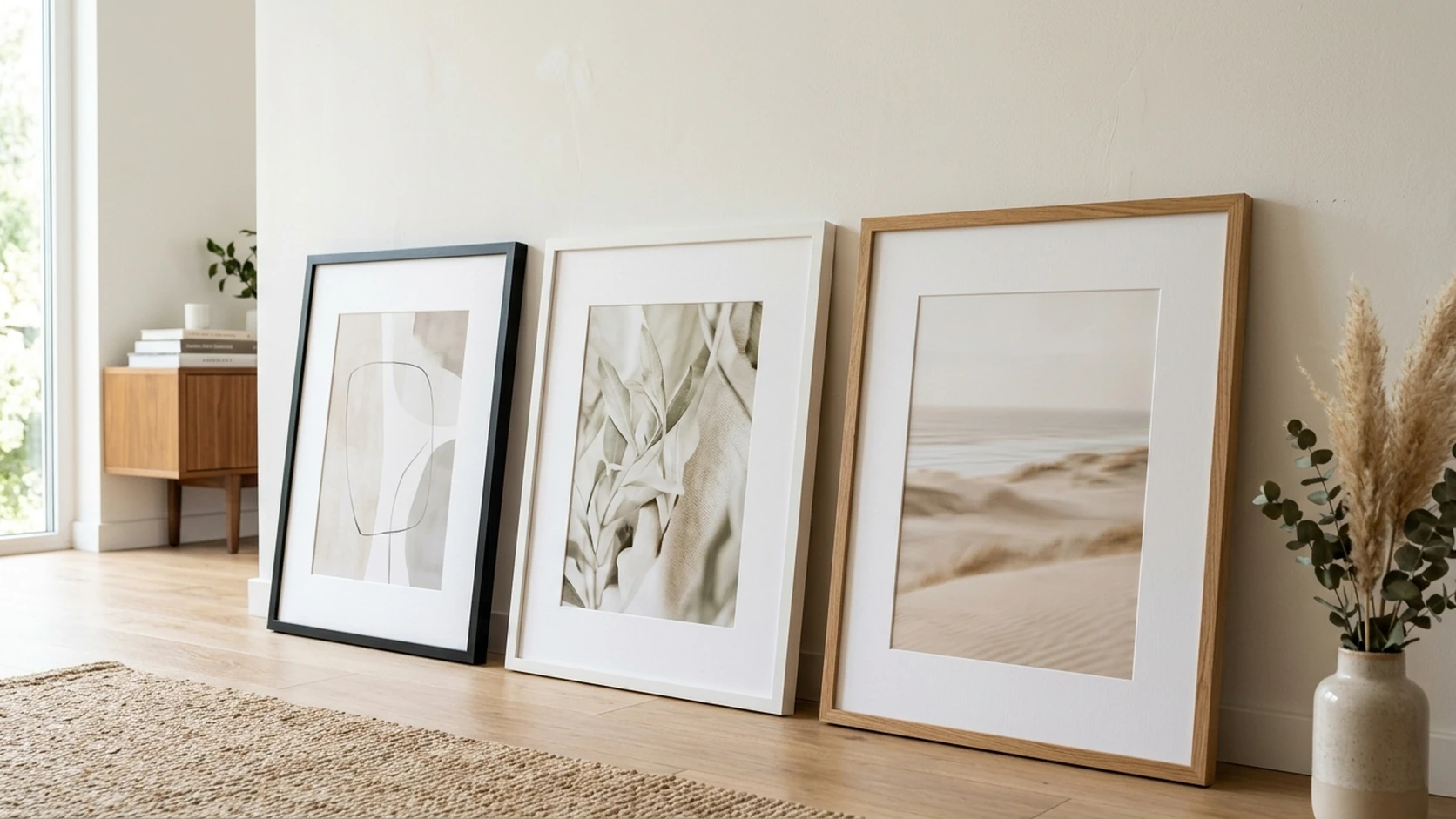
| Frame color | Match to the photo's tones and the room's palette | A harmonizing frame lets the photo lead |
| Black frame | Modern, high-contrast photos and monochrome | Sharp, contemporary, gallery feel |
| White frame | Bright, airy rooms and light photos | Clean, minimal, Scandinavian look |
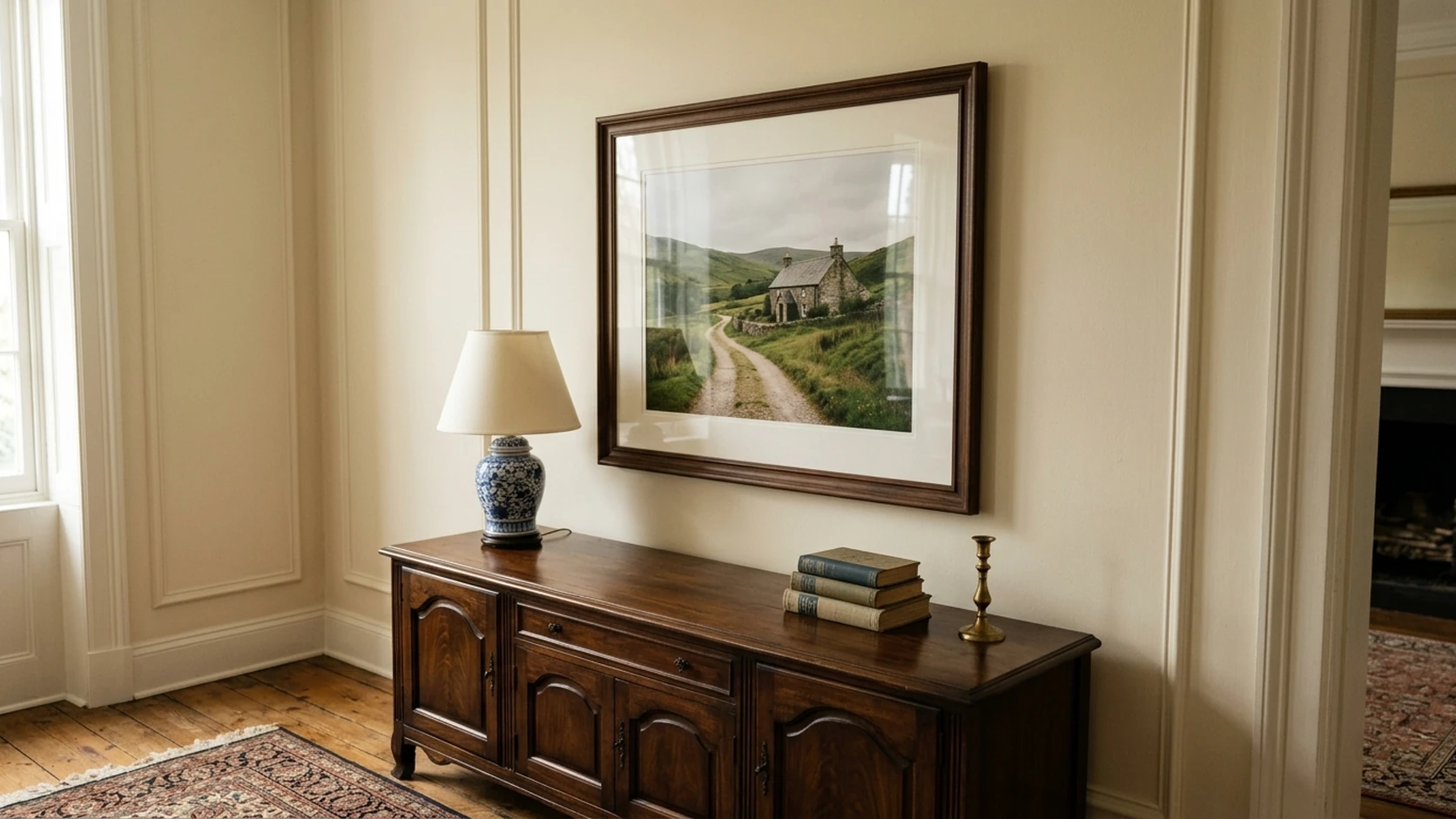
| Wood frame | Warm interiors, portraits, nature | Natural warmth, timeless and cozy |
| Matting | Pure-white bevel-cut mat around the print | Draws the eye in, adds a premium gallery look |
| Size | Match frame size to wall space and viewing distance | Balanced proportion prevents a lost or crowded look |
When in doubt, a black or white frame with a pure-white mat is the safest, most versatile choice and suits almost any photo. For a warmer, more traditional feel, a natural wood finish works beautifully with portraits and family photos.
Which Photos Look Best Framed?
Framed prints suit a specific set of images especially well. Portraits and family photos are the classic fit: the mat and frame give them the formal, respectful presentation that portraits deserve. Professional headshots, graduation and wedding photos, and any milestone image look their best framed. Traditional and transitional interiors also call for framed prints, where the finished, classic look complements the room.
If your photo is a bold, vivid landscape or you want a modern, frameless look, a canvas print or a custom poster print may suit it better. Framing shines when you want a formal, finished, timeless presentation rather than a contemporary edge. For a comparison of frameless formats, see our canvas vs metal vs acrylic guide.

Framed Print Prices: What to Expect
Framed prints sit in the mid-range of wall art pricing. They cost more than an unframed poster because the price includes the mat, the acrylic glazing, and the frame, but they arrive completely finished, which saves you buying a frame separately. Framed prints often start around the high teens for smaller sizes and rise with size and frame choice.
The main price factors are size (larger prints use more materials), frame choice (some finishes cost more), and matting. Compared with buying a poster and a separate store-bought frame, an all-in-one framed photo print is often better value and always better matched, since the mat and frame are cut precisely to the print. For exact current pricing by size, check the framed prints page and look for promotions and coupon codes before ordering.
How to Order Framed Prints Online
Step 1: Choose your photo
Pick a sharp, well-lit image. Portraits, family photos, and formal shots frame especially well. Use the original high-resolution file, not a screenshot or social download.
Step 2: Upload and preview
Upload to the framed prints page. Designing a framed print online takes only a few minutes, and the preview shows exactly how your photo looks matted and framed.
Step 3: Choose size, frame, and mat
Select your size, then pick from the classic frame options to suit your photo and room. Confirm the pure-white matting looks right around your image.
Step 4: Review and order
Check the preview one final time: composition, crop, and that nothing important sits too close to the mat edge. Then check out. Your framed print is packed for maximum safety and arrives ready to hang.
For help getting your photo print-ready first, see our photo editing tips for better prints, and for size guidance across formats, our photo print sizes guide.
Framed Prints vs Canvas vs Poster
| Format | Look | Best For | Arrives |
|---|
| Framed print | Classic, formal, gallery | Portraits, formal photos, traditional rooms | Finished with mat, glass, frame |
| Canvas | Warm, painterly, frameless | Family photos, warm scenes, modern casual | Gallery-wrapped, ready to hang |
| Poster | Simple, flexible, budget | Gallery walls, frequent updates, art | Unframed (frame optional) |
| Collage canvas | Multi-photo storytelling | Several photos in one piece | Gallery-wrapped, ready to hang |
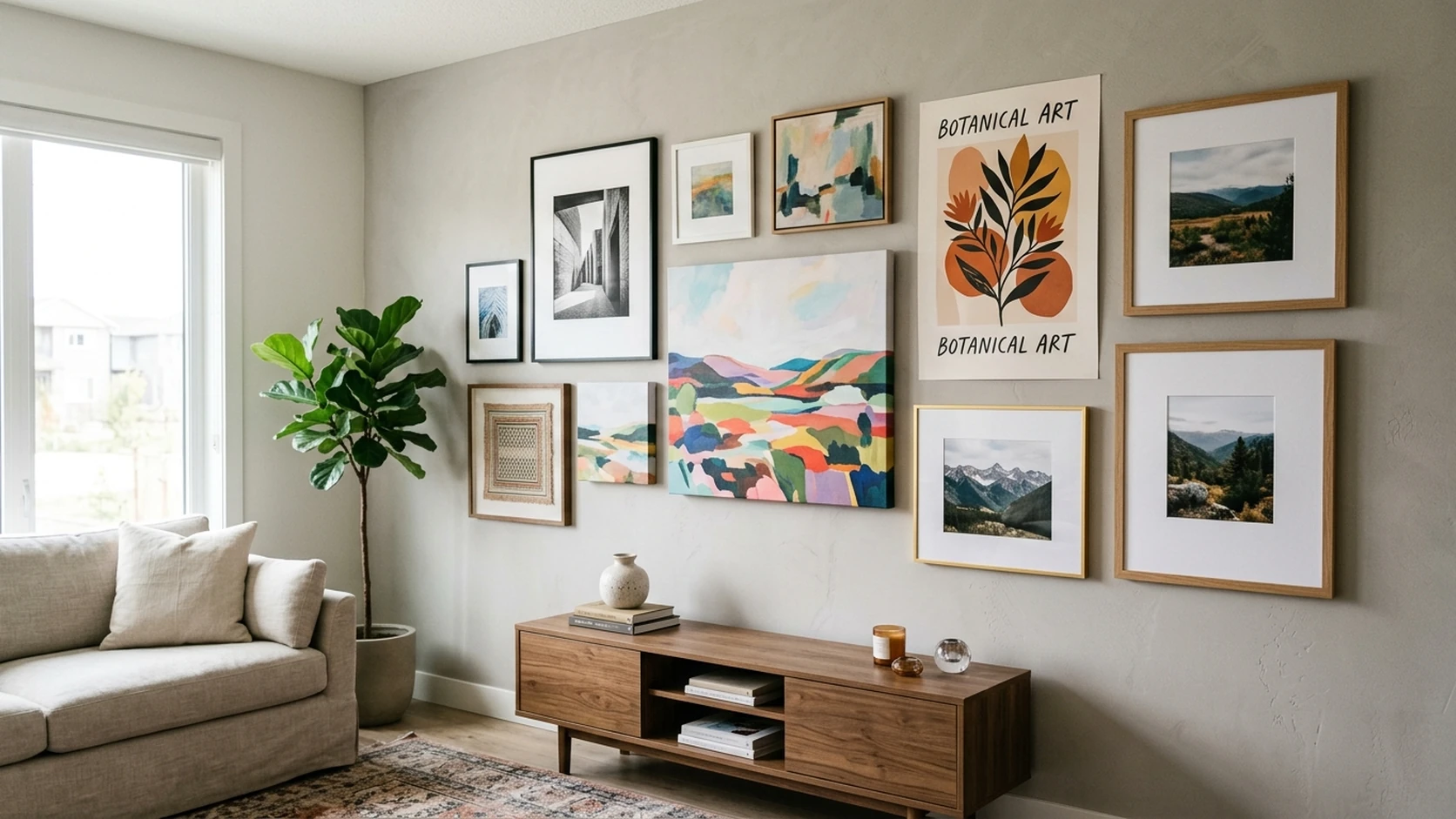
The right choice depends on the photo and the feel you want. For a formal, finished, classic presentation, framed wins. For warmth and a frameless modern look, canvas. For budget and flexibility, posters. Many gallery walls mix a framed print with canvas and poster pieces for an eclectic, layered look.
Frequently Asked Questions
What makes a good framed print?
A good framed print combines four quality elements: a luster-finish photo print, bevel-cut museum card-stock matting, protective acrylic glazing, and a solid, well-finished frame. All four have to be right together for a gallery-quality result.
What photos look best as framed prints?
Portraits, family photos, professional headshots, graduation and wedding photos, and milestone images look best framed. The mat and frame give them a formal, respectful presentation. Framed prints also suit traditional and transitional interiors especially well.
How much do framed prints cost?
Framed prints sit in the mid-range of wall art pricing, often starting around the high teens for smaller sizes and rising with size and frame choice. The price includes the mat, acrylic glazing, and frame, so the print arrives completely finished and ready to hang.
Are framed prints better than canvas?
It depends on the look you want. Framed prints give a classic, formal, finished presentation ideal for portraits and traditional rooms. Canvas gives a warm, painterly, frameless look suited to family photos and casual modern spaces. Neither is universally better.
What kind of glass is used in framed prints?
Quality framed prints use acrylic glazing rather than traditional glass. Acrylic is lighter, does not shatter, and still protects the print from dust and handling, making the finished piece safer to ship and hang, especially at larger sizes.
Do framed prints come with matting?
Quality framed prints include pure-white matting cut from museum card-stock with a bevel cut. The mat borders the print, draws the eye inward, and prevents shadows from falling across the image. Matting is one of the clearest signs of a well-made framed print.